
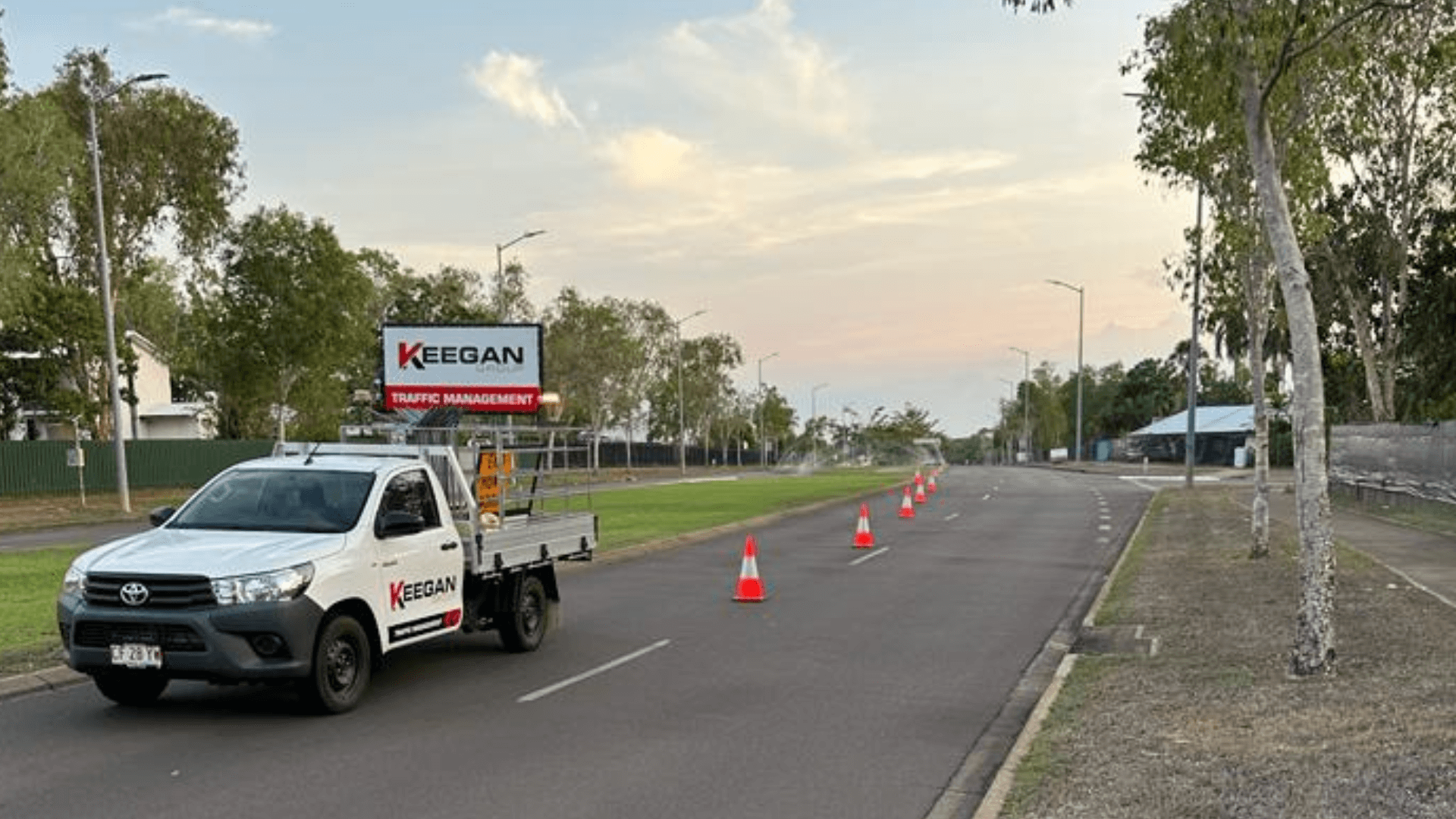
Road safety is a shared responsibility—one that hinges not only on responsible driving but also on how effectively traffic is managed. In bustling cities and growing towns alike, traffic control management serves as a critical function to minimize accidents, ensure smooth flow, and protect both motorists and workers.
So, what exactly makes traffic control management so essential to road safety? Here’s a comprehensive look at the reasons behind its significance and the impact it has on everyday life.
1. Preventing Accidents in Work Zones
One of the primary purposes of traffic control management is to protect lives in areas under construction or repair. Whether it’s a bridge renovation or pothole patching, roadwork zones introduce unexpected changes in traffic patterns. Without proper signage, barriers, and lane redirection, these changes can confuse drivers and lead to rear-end collisions, side-swipes, or even pedestrian injuries.
Effective traffic management creates clear guidance, reducing confusion and preventing dangerous mistakes.
2. Protecting Construction and Maintenance Workers
Road crews and utility workers often operate just feet away from fast-moving traffic. Traffic control measures—like reduced speed zones, cones, flaggers, and message boards—create safe buffer zones around work areas.
This added layer of protection significantly reduces the chances of accidental injuries or fatalities caused by inattentive or speeding drivers.
3. Regulating Traffic Flow in Congested Areas
Heavy traffic is not just inconvenient—it increases the risk of accidents due to sudden braking, tailgating, and lane weaving. Traffic control systems use tools like traffic lights, directional signs, road markings, and even live personnel to regulate flow and reduce congestion.
When traffic is guided and coordinated, stress levels drop, decision-making improves, and roads become safer for everyone.
4. Responding to Emergencies and Unplanned Disruptions
Unexpected events—like car crashes, fallen trees, or utility failures—can bring traffic to a halt or create unsafe road conditions. Traffic control management helps redirect vehicles, set up safe perimeters, and maintain order until the situation is resolved.
This not only improves the emergency response time but also reduces the risk of additional accidents from distracted or confused drivers.
5. Enhancing Pedestrian and Cyclist Safety
Modern traffic control doesn’t just prioritize vehicles. It also considers the safety of pedestrians, cyclists, and public transit users. Crosswalk signals, temporary footpaths, and bike lane barriers are part of a broader plan to ensure that non-motorists can travel safely through shared spaces.
In urban zones, especially near schools and shopping districts, these controls are crucial for preventing accidents involving vulnerable road users.
In the middle of these multifaceted safety efforts, Salus Traffic Control Management stands out as a trusted provider known for tailoring effective, compliant, and well-executed traffic control plans. Their professionals bring together regulatory knowledge and on-site experience to create environments where workers and drivers are both protected.
6. Ensuring Legal Compliance and Liability Reduction
Municipal regulations often require traffic control plans for roadwork, public events, or private construction projects. Failure to comply can result in fines, delays, or worse—injuries and lawsuits. By deploying certified personnel and following approved guidelines, traffic control management ensures that legal standards are met and liability is minimized.
7. Promoting a Culture of Road Awareness
Beyond physical tools, traffic control helps reinforce a culture of attentiveness and safety. Visible controls like warning signs and speed boards remind drivers to slow down and stay alert. In the long run, these measures foster more responsible driving behavior.
Conclusion
Traffic control management is far more than a set of cones and signs—it’s a vital safety infrastructure that protects lives and supports mobility. Whether through strategic planning, emergency response, or daily regulation, its role in modern transportation cannot be overstated.