
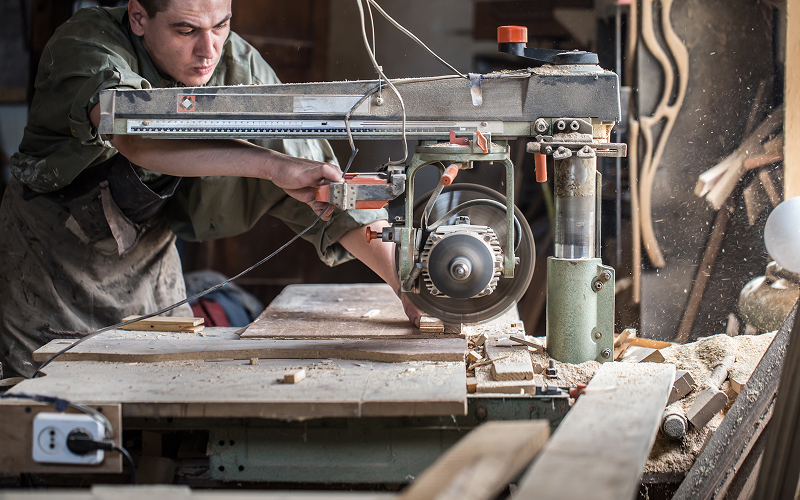
Many of the parts used in machines start off as plain rods spinning on a CNC lathe. They shape stock into round forms found in countless products. This consistency helps keep production lines on schedule while reducing the need for manual rework. Their reliability has made them a fixture in modern workshops.
Turning Raw Stock into Everyday Essentials
A CNC lathe might look like a simple spinning machine, but it is the workhorse behind countless everyday parts. It spins raw bars of metal or plastic while a fixed cutting tool shapes them into precise forms. This method is ideal for parts that need symmetry around a center line, like rings or rods. The process keeps shapes consistent, which saves assembly time later on.
Lathes give machining manufacturers the consistency they need to deliver parts that fit together without grinding or guesswork. They can run the same program whenever new stock is needed, which helps keep replacement parts identical to their originals. This repeatability is one reason why lathes remain central to production lines.
1. Fasteners and Connectors That Hold It All Together
Bolts, screws, and threaded rods are often produced on a CNC lathe. These parts need precise threads and uniform diameters to avoid loosening under stress. The turning process forms threads cleanly while keeping the shaft straight, which reduces wear on fastening tools.
Machining manufacturers use lathes to produce fasteners in large batches while holding tight tolerances. Lathes can also create specialized threads that standard taps and dies may not handle well. This helps factories make custom hardware for specific assemblies without slowing production.
2. Shafts and Spindles for Moving Machines
Rotating parts rely on shafts to carry power from one component to another, and lathes are ideal for shaping them. A CNC lathe turns shafts to precise diameters and lengths so they fit snugly into bearings without wobble. This accuracy helps reduce vibration that can damage nearby parts.
Shafts are often made by machining manufacturers from alloy steels to handle heavy loads without bending. The smooth finishes created by lathes reduce friction, which helps motors and gearboxes run cooler and last longer. Even minor surface flaws can shorten a shaft’s lifespan, so lathes help keep the quality consistent.
3. Bushings and Sleeves for Smooth Motion
Bushings and sleeves act like the quiet stagehands of mechanical systems, reducing friction between moving parts. A CNC lathe bores their inner holes while shaping the outer diameter in the same setup, keeping everything perfectly concentric. This precision is vital, or the bushing could tilt and wear unevenly.
Materials like bronze, brass, or plastic are often chosen by machining manufacturers based on load and speed needs. Lathes help produce large batches of these small parts with steady dimensions, which simplifies assembly later.
4. Rollers and Pulleys That Guide Movement
Rollers and pulleys move belts, chains, and cables through machines without slipping off track. A CNC lathe carves their round profiles so they roll smoothly without wobbling. It also lets machinists add grooves, flanges, or tapers to match the path of the belt or rope they will guide.
Many machining manufacturers add rubber or polyurethane coatings after turning the steel cores. This gives them grip without losing balance. Precise lathe work ensures the cores stay true during coating, which stops machines from shaking during operation.
5. Housings and End Caps That Seal Systems
Many housings and end caps start as simple cylinders before the lathe shapes them to spec. The CNC lathe bores internal chambers while smoothing the outside for press-fit or threaded connections. This dual operation keeps both sides aligned, which reduces leaks and mechanical stress.
Machining manufacturers use this method for pump housings, motor end bells, and bearing caps. These parts often need exact wall thicknesses to handle internal pressure or heat. Lathes let them hit those dimensions consistently while producing clean sealing surfaces.
From Spinning Stock to Finished Parts
Lathes keep manufacturing spinning smoothly by producing consistent round parts. Their ability to hold tight tolerances across batches makes them reliable tools for high-demand production lines. From fasteners to housings, their products keep machines moving without drama. Contact Disk Precision Group to get reliable turned parts that keep your machines running like clockwork.