
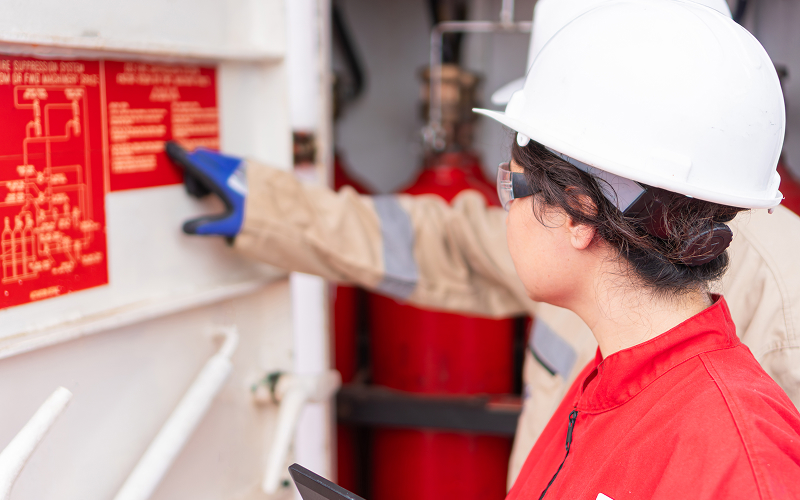
Fire safety is a critical aspect of workplace management, yet it is often overlooked until an incident occurs. In Singapore, regulatory requirements and workplace safety highlight the importance of conducting proper assessments to identify and mitigate fire hazards. A fire risk assessment in Singapore provides businesses with a structured way to evaluate potential risks, implement preventive measures, and safeguard employees and assets. It also ensures that organisations are prepared for emergencies and can respond effectively if a fire occurs.
What a Fire Risk Assessment Involves
A fire risk assessment is a systematic evaluation of a workplace to identify hazards that could lead to fire incidents, involving inspecting building layouts, electrical systems, storage practices, and evacuation routes. The goal is to determine whether current safety measures are sufficient and what improvements are needed. For businesses operating in facilities with high foot traffic or specialised equipment, assessments are particularly crucial to detect hidden risks.
A fire engineer typically oversees the process, applying technical knowledge to evaluate fire safety systems, such as alarms, sprinklers, and ventilation. Their expertise ensures that assessments are not limited to visible hazards but also include structural and system-based vulnerabilities. This technical input is essential in ensuring recommendations are both practical and aligned with regulatory standards.
Why Businesses Need Fire Risk Assessments
Every business, regardless of size or sector, carries some level of fire risk. Office environments may face hazards from overloaded electrical outlets, while industrial sites may store flammable materials that require special handling. Without a structured assessment, these risks may go unnoticed until they cause serious harm. Conducting a fire risk assessment in Singapore allows businesses to pinpoint these vulnerabilities and address them before incidents occur.
Assessments also support business continuity, as a single fire incident can disrupt operations, damage assets, and affect reputations. By implementing preventive measures recommended by fire engineers, businesses not only comply with regulations but also safeguard long-term operations. In this way, fire risk assessments act as both a compliance requirement and a strategic investment in resilience.
Key Elements of a Fire Risk Assessment
A thorough fire risk assessment reviews multiple components to build a complete picture of workplace safety. It begins with identifying potential hazards such as ignition sources, flammable materials, and oxygen supply, followed by an evaluation of who might be at risk, including employees, visitors, or contractors. This ensures that both physical dangers and vulnerable groups are taken into account.
The process also examines existing safety measures like alarms, sprinklers, and extinguishers to confirm they function as intended. Emergency planning is assessed through checks on evacuation routes, signage, and assembly points, while recommendations are made for improvements and ongoing maintenance. Together, these steps provide a structured framework that addresses both prevention and response to fire risks.
Role of Fire Engineers in the Process
A fire engineer brings technical depth to the assessment process. They have the expertise to analyse building structures, fire dynamics, and the performance of safety systems under different scenarios. This allows them to recommend practical solutions that enhance protection without disrupting business operations unnecessarily. Their involvement is beneficial in complex buildings where risks are not immediately obvious.
In Singapore, engaging a qualified fire engineer ensures that assessments meet the standards set by local authorities. They also help businesses interpret regulatory requirements and implement measures that satisfy both safety needs and compliance obligations, bridging the gap between regulatory compliance and practical fire safety management.
Benefits of Regular Fire Risk Assessments
Conducting assessments regularly provides several advantages. Businesses can identify new risks arising from operational changes, such as rearranged workspaces or newly installed equipment. Regular reviews also confirm that existing safety measures continue to function correctly and meet evolving regulations.
Another benefit is the reinforcement of workplace culture. Regular assessments and training encourage employees to remain aware of fire safety practices, from proper storage of materials to safe use of electrical equipment. This proactive approach creates an environment where safety is prioritised and embedded in daily operations.
Conclusion
A fire risk assessment in Singapore is an essential tool for ensuring workplace safety, maintaining compliance, and protecting long-term business continuity. With the expertise of a fire engineer, businesses can identify hazards, strengthen safety systems, and prepare for emergencies. Regular assessments not only reduce the likelihood of incidents but also reinforce a culture of safety within the organisation.
Contact SHEVS IFT Consultants today for professional fire risk assessment and fire engineering expertise.