
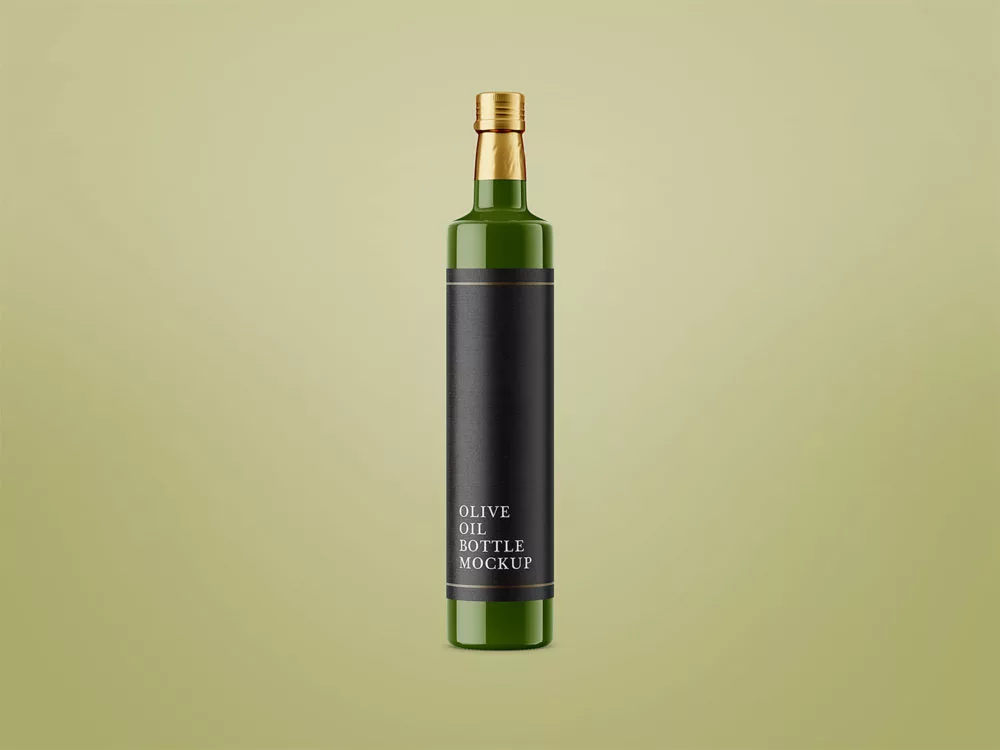
Olive oil and specialty glass bottles don’t behave like ordinary CPG inventory. They’re heavy, fragile, light- and oxygen-sensitive, and often irregularly shaped. That combination makes Warehouse Packaging Solutions more than a back-room task, it’s a core part of product quality, brand reputation, and margin protection. This article explores how the right warehouse design, protective materials, and scalable systems keep bottles intact from receipt to retail (and DTC), while controlling costs as volumes grow. Along the way, it highlights practical steps teams can take today and where trusted packaging partners, such as Ashland Container, fit into a smart, future-ready operation.
Unique challenges of storing liquid and specialty glass containers
Olive oil and specialty bottles present a tricky mix of risks. The product itself is sensitive, olive oil oxidizes and degrades with heat and UV light, while the primary packaging (glass) is brittle and often tall or narrow. That means the warehouse plays a direct role in product quality and customer experience.
Key challenges teams encounter:
- Product sensitivity: Olive oil prefers cool, stable temperatures and low-light conditions. Sunlight and heat accelerate rancidity: oxygen exposure from poor sealing does too.
- Fragility and form factor: Specialty bottles (think marasca, dorica, flasks, limited-edition shapes) concentrate weight in small footprints and have thin sidewalls. Glass-to-glass contact is a top breakage cause.
- Closure variability: Screw caps, pour spouts, corks, and tamper bands each demand different torque, sealing, and secondary packaging support to prevent micro-leaks and scuffs.
- Mixed-channel complexity: Palletized wholesale loads and e-commerce parcels need different protective approaches, often within the same shift.
- Seasonality and surges: Harvest and holiday spikes stress storage density and labor, which can push teams to cut corners on protection, exactly when damage risk rises.
Because of these realities, Warehouse Packaging Solutions must balance two goals at once: protect delicate bottles and preserve oil quality, without bogging down throughput or inflating cost per case.
How warehouse design supports safe handling and storage
Facility layout is the first line of defense. Warehouses that handle olive oil and specialty glass tend to adopt a few design patterns that reduce handling shocks and environmental stress.
- Temperature- and light-aware zoning: Store filled bottles away from dock doors and heat sources. Use shaded aisles, UV-protective stretch film or covers for staging, and keep setpoints in a moderate band to reduce thermal cycling.
- Food-safe standards: Clean, pest-managed storage with designated bottle-only zones prevents odor transfer and contamination. Simple practices, dedicated brooms, clear spill kits, and covered gaylords for loose components, go a long way.
- Racking that respects glass: Selective or carton-flow racking with wire decking and backstops prevents push-through and tipping. For high-turn SKUs, pallet flow smooths movement and limits manual touches.
- Gentle conveyance: Low-incline, low-speed conveyors with soft transfers, roller centers, and protective guides curb chipping. Where possible, use totes for loose bottles rather than naked conveyance.
- Smart staging and signage: FEFO (first-expired, first-out) for filled product, clear “this side up” and tilt indicators, and color-coded lanes for inbound bottles vs. finished goods streamline handling.
When in doubt, design to reduce touches. Every extra lift or bump is another chance for micro-fractures, scuffs, or cap loosening.
Scalable packaging systems for growing distribution needs
Growth exposes weak points fast: case sizes don’t fit mixed pallets, inserts don’t suit a new bottle diameter, or DTC orders explode and overwhelm manual packing. Scalable Warehouse Packaging Solutions anticipate change without constant reinvestment.
Practical building blocks:
- Modular corrugated and inserts: Standardize on a small library of case footprints and adjustable partitions (e.g., telescoping or die-cut dividers) that cover 80–90% of bottle profiles.
- Universal protection kits: Keep a “kit of parts”, corner boards, molded pulp trays, paper void fill, cap guards, that can be combined quickly for odd shapes and gift packs.
- Postponement packaging: Store common case blanks and apply branding, neck tags, and regulatory labels on demand with print-and-apply, reducing slow-moving preprinted inventory.
- Mixed-channel cells: Separate a wholesale pallet cell (case erector, sealer, palletizer) from a DTC cell (right-sizing, void fill, branding) so spikes in one channel don’t choke the other.
- Data-backed SKU rationalization: Review bottle and closure specs with suppliers like Ashland Container to align on neck finishes and case packs that simplify inserts and pallet patterns.
The objective is optionality. The more a system can reconfigure, without big capex, the easier it is to onboard a seasonal SKU, a new distributor, or a promotional bundle.
Cost reduction strategies through optimized warehouse logistics
For glass and liquid goods, “cheap” packaging often becomes expensive through damage, freight penalties, or labor drag. Cost control comes from optimization, not austerity.
Areas with reliable ROI:
- Right-sizing and cube efficiency: Match case and master dimensions to pallet footprints and truck heights. Even a 3–5% improvement in pallet density reduces freight cost per unit.
- Damage prevention over replacement: A few cents of partition upgrade can save dollars in returns, refunds, and negative reviews. Track breakage by lane, operator, and carrier to pinpoint fixes.
- Standardization: Limit corrugated and insert SKUs to reduce purchase price variance and simplify replenishment. Train teams on a single “golden pack” per SKU.
- Lean material flow: Position common dunnage at point-of-use, use two-bin replenishment, and standardize film stretch settings to cut wrap waste and rework.
- Pallet patterns and stability: Validate patterns with software or test stacks. Use corner boards and top sheets to enable safe double-stacking where allowed, improving storage density.
- Returnable transport packaging (RTP): For short-haul captive loops, plastic totes or trays slash corrugated spend and reduce glass-to-glass contact.
Small wins compound. One fewer touch, one fewer SKU, one tighter wrap setting, multiplied across thousands of cases, creates meaningful savings without compromising protection.
The role of protective packaging in preventing product loss
Protective packaging does more than cushion: it preserves product integrity, prevents leaks, and keeps brands out of “damaged on arrival” threads.
Core elements for olive oil and specialty bottles:
- Partitions and separators: Chip- and scuff-resistant dividers (molded pulp, coated corrugate, honeycomb) prevent glass-to-glass contact. Adjustable partitions help when bottle diameters vary.
- Cap and seal security: Verify torque ranges, induction seals, or tamper-evident bands. A properly torqued cap plus a secondary seal is the best defense against weeping in transit.
- Leak containment: For DTC, a thin poly leak bag around the bottle prevents mess from propagating through the carton. Pair with absorbent pads for extra insurance.
- Suspension and cradle systems: For premium bottles, suspension packs or form-fit foam cradles absorb shock without adding much weight.
- Edge and corner protection: Corner boards and top pads spread top-load pressure and help keep stretch wrap from digging into glass.
- Test what you ship: Validate with appropriate transit tests (e.g., drop, vibration, compression), simulate last-mile cycles, and iterate. Use tilt and shock indicators on sensitive pallets to improve carrier handling.
Working with a packaging specialist, whether in-house or with a supplier such as Ashland Container, helps align bottle geometry, closure specs, and insert design so that protection is engineered, not improvised.