
Anyone who’s ever managed a construction site knows how noisy it can get. Between the drilling, hammering, and rumbling of machinery, silence is a rare luxury. But in modern cities where residential, commercial, and infrastructure projects sit side by side, excessive noise has become more than just an inconvenience. It can affect productivity, lead to complaints, and even halt progress if not properly managed.
The good news is that efficient construction is possible. Builders across Singapore and other urban hubs are proving that with smart planning and the right tools, you can keep your site productive and significantly reduce the noise that escapes into nearby areas.
Why Efficient Construction Matters
A noisy site might seem normal, but it often brings hidden costs. Constant noise not only frustrates neighbours and invites complaints, but also affects workers’ concentration and communication. Over time, this leads to lower efficiency and higher stress on the site.
Many local authorities, including Singapore’s NEA, have also tightened their noise control regulations. Ignoring them could lead to fines, work stoppages, or reputational damage that affects future tenders.
The takeaway is simple: managing noise isn’t just about keeping the peace, it’s about working smarter and staying competitive in a stricter, more environmentally conscious construction landscape.
1. Invest in Quality Noise Barriers
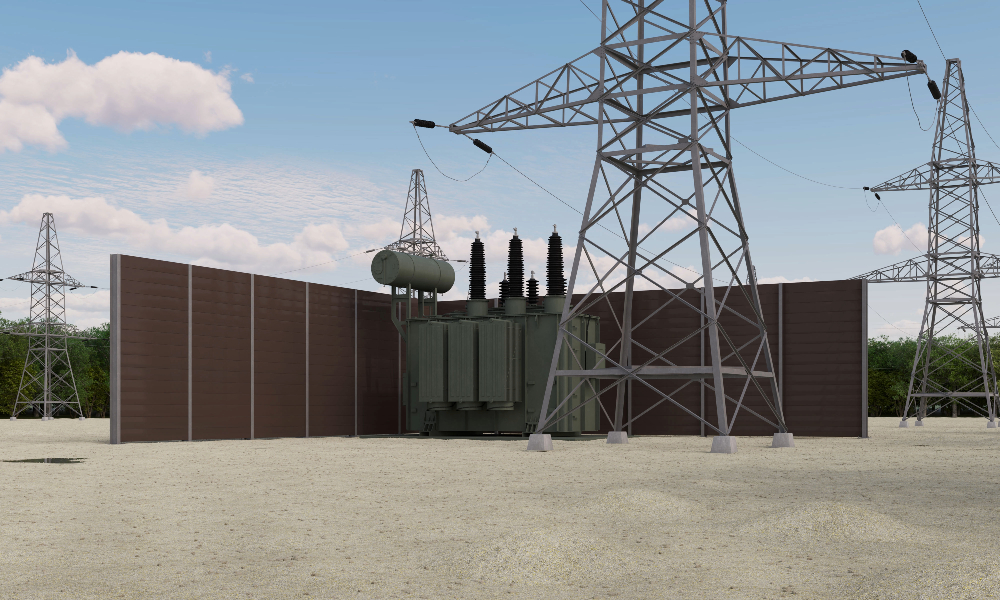
Noise barriers are one of the most effective and immediate ways to reduce sound transmission. They work by absorbing and blocking noise before it spreads beyond the site.
Modern noise barriers and sound barrier sheets are lightweight, weather-resistant, and reusable. They can be attached to hoardings, scaffolding, or fencing to form an instant acoustic shield.
Aside from controlling sound, they offer a neat, professional appearance that enhances the look of your site. Some contractors even use branded barriers to promote their company while maintaining compliance.
It’s a one-time investment that pays off in fewer complaints, smoother inspections, and a more focused working environment.
2. Plan and Schedule Noisy Activities Strategically
Timing can make all the difference.
By scheduling the loudest operations, such as piling, concrete cutting, or demolition during mid-morning or early afternoon hours, you can significantly reduce the likelihood of disturbing nearby residents.
Avoiding noisy work at night, on weekends, or on public holidays also demonstrates professionalism and respect for the community. Smart scheduling is one of the simplest ways to balance productivity with compliance, especially when projects are located in densely populated areas.
3. Maintain Equipment Regularly
Noise is often a sign of inefficiency. Machines that rattle, screech, or hum loudly are usually due for maintenance.
Regular servicing keeps equipment operating smoothly and prevents small issues from turning into costly breakdowns. Checking for loose panels, replacing worn parts, and using lubricants all help reduce vibration and noise levels.
Better-maintained machines not only work peacefully but also last longer and consume less energy. It’s a win-win for productivity and cost control.
4. Create a Culture of Noise Awareness
An efficient construction starts with the people on site.
When your crew understands how noise affects both the community and the project, they naturally become more mindful of their actions. Simple habits like avoiding unnecessary shouting, lowering radio volumes, and shutting down idle machines make a noticeable difference.
You can reinforce this mindset through short toolbox talks or onboarding sessions about noise control. This approach builds a sense of accountability across the team and makes “working peacefully part of your site culture.
5. Make Temporary Fencing Work Harder
If your site already uses temporary fencing, you can easily enhance its purpose. By attaching sound barrier panels to the fencing, you create a dual-purpose solution that provides both security and noise control.
This is especially useful in city centres where space is tight and there’s little room for large sound walls. The panels can be installed quickly, removed after completion, and reused for future projects.
With a small upfront cost, you gain a professional-looking perimeter that helps meet compliance requirements while improving site relations.
6. Monitor Noise in Real Time
Instead of waiting for complaints, many modern builders now rely on real-time noise monitoring systems. These devices measure sound levels around your site and alert you when noise exceeds certain thresholds.
This gives you the chance to take immediate action, whether it’s adjusting operations, rotating equipment, or temporarily pausing a loud task.
Having accurate data also protects you from unjustified complaints, as you can prove compliance with recorded noise levels. For large projects, this transparency can strengthen relationships with both authorities and nearby residents.
7. Use Noise-Controlled Construction Methods and Tools
Technology is on your side. Manufacturers have developed alternatives for many traditional tools and machines. Hydraulic piling rigs, electric saws, and low-noise generators all help reduce decibel levels without compromising performance.
These upgrades might seem like minor improvements, but when combined, they lead to a noticeably calmer site and a more comfortable environment for everyone involved.
8. Communicate with the Community
A small gesture of communication often prevents major issues later.
Before your project begins, reach out to nearby businesses or residents to explain your schedule and the measures you’ve taken to reduce noise. People appreciate transparency, and this proactive approach shows that your team is considerate and responsible.
You might even designate a contact person for feedback or complaints. This simple step can prevent escalation and demonstrate your commitment to being a good neighbour.
Building Smarter, Not Louder
A less noisy construction isn’t just about complying with regulations. It’s about building a reputation for professionalism and efficiency. By taking small steps such as investing in noise barriers, maintaining your equipment, and planning noisy work more thoughtfully, you can transform how your site operates.
The result is a project that runs smoothly, stays compliant, and earns respect from both clients and the community.