
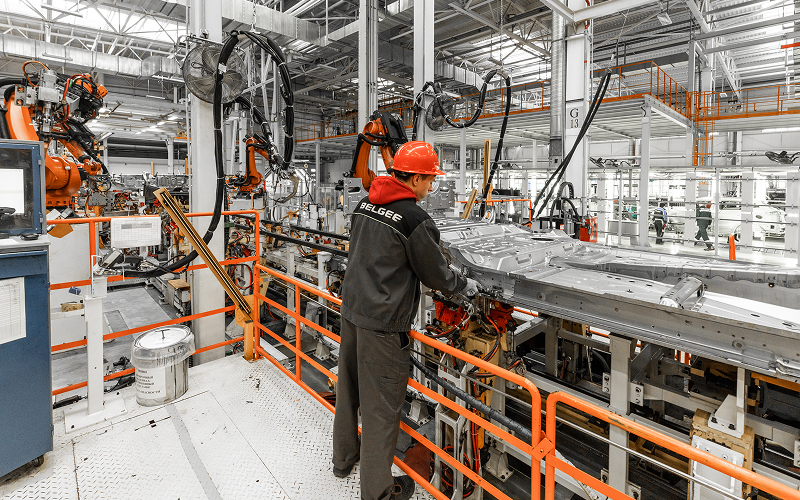
Electronic manufacturing services in Singapore have long supported global supply chains, from semiconductors to consumer electronics and specialised equipment. However, as we move through 2025, the sector is caught between mounting pressures and exciting prospects. Rising costs, workforce gaps, and tougher competition are real concerns. Yet, the region’s strengths in innovation, regulation, and advanced infrastructure also create clear opportunities for companies that know how to adapt.
Challenges
Rising Operational Costs
Doing business in the city-state has never been cheap, and for manufacturers, the costs continue to climb. Labour, rent, and compliance obligations are far higher than in places like Vietnam, Malaysia, or China. Additionally, companies need to meet stricter sustainability and workplace safety standards, which adds to overheads. Providers of electronic manufacturing services in Singapore must constantly prove their value to clients while managing these rising expenses.
Talent Shortages and Skills Gaps
Finding the right people is another ongoing challenge. Precision engineering, robotics programming, and supply chain management skills are in high demand, but many skilled workers are moving into areas such as fintech or software development instead. This instance means competing for a smaller talent pool, investing heavily in training, or navigating the hurdles of bringing in overseas expertise. None of these options are easy or inexpensive.
Global Supply Chain Disruptions
Supply chain disruptions have become a normal part of business, and Singapore is no exception. Geopolitical disputes, export bans, and shipping delays often slow the flow of semiconductors, circuit boards, and other critical materials. While the region’s ports and logistics systems are among the best in the world, they cannot fully shield manufacturers from global unpredictability. Late deliveries can strain relationships with clients and impact profitability.
Competitive Pressures from Emerging Markets
Neighbouring markets like Vietnam and India are becoming serious competitors, offering cheaper manufacturing backed by government incentives. The city-state has always positioned itself as a quality-driven hub, but price-sensitive customers may still choose lower-cost alternatives. Staying relevant, for electronic manufacturing services, requires differentiation—showing clients why quality, compliance, and reliability justify the higher price tag.
Opportunities
Moving Towards High-Value, Complex Manufacturing
Rather than trying to undercut lower-cost countries, the city-state’s edge lies in tackling complex, high-value projects. Advanced semiconductor assembly, aerospace systems, and medical electronics are areas where precision and compliance matter more than price. Electronic manufacturing services in Singapore are well-equipped to thrive in these niches, building on the country’s research capabilities and trusted reputation for high standards.
Embracing Sustainable Manufacturing
Sustainability is no longer optional. Due to the city-state’s government pushing for greener practices and multinationals demanding cleaner supply chains, EMS providers have a chance to lead in this space. Firms can cut costs over time and attract clients who are under pressure to prove their own environmental credentials by adopting energy-efficient technologies and circular economy practices.
Adopting Industry 4.0 and Smart Factories
Technology is opening up new ways to deal with cost and labour pressures. Automation, robotics, and AI-driven predictive systems allow companies to reduce reliance on manual labour while improving efficiency. Local electronic manufacturing services that embrace smart factories and digital supply chains will find themselves better prepared to handle uncertainty and scale up when needed.
Leveraging the Region’s Position in Global Supply Chains
Despite challenges, the city-state remains an attractive place for multinational firms to base their operations. Strong governance, IP protection, and seamless connectivity keep it at the heart of regional supply chains. This instance means a chance for EMS providers to position themselves not just as service vendors but as reliable strategic partners for global clients.
Conclusion
The year ahead presents both hurdles and possibilities for electronic manufacturing services in Singapore. Rising costs, talent shortages, and stiff competition are tough realities. But there are equally strong opportunities in advanced manufacturing, sustainability, and digital transformation. Companies that focus on quality, innovation, and strategic value will be better placed to succeed. The future of manufacturing lies less in being the cheapest option and more in being the most trusted, advanced, and resilient partner in the global supply chain.
Contact MPN Tech to discover how we can help you scale with precision and reliability.