
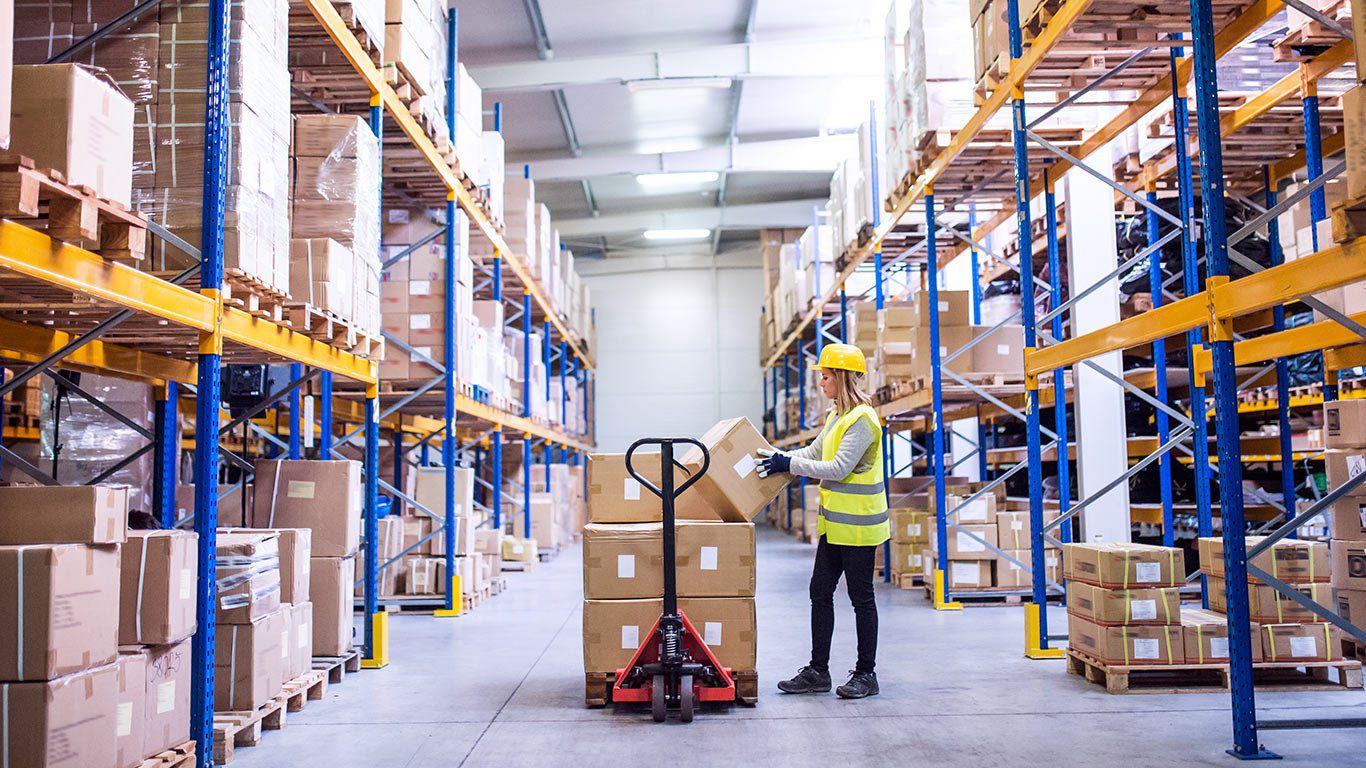
For any business, renting a warehouse is a crucial first step. Selecting a location that effectively supports your business is more important than simply locating a building. Making the incorrect decision might result in operational difficulties, delays, and increased expenses. Many companies look at possibilities like warehouse for rent Bangna-Trad (โกดังให้เช่า บางนา ตราด, term in the Thai) when looking for a suitable warehouse to match their distribution and storage needs. Making the proper considerations guarantees that the area will support both your present activities and future expansion. A thorough analysis enables you to make an informed and useful choice while saving time, money, and needless worry. A well-selected warehouse may also contribute to increased worker productivity and a more secure, orderly work environment.
Here are five key factors to consider when renting a warehouse for your business operations.
Location
Your warehouse’s location has a big influence on your overall efficiency, shipping costs, and delivery timeframes. Pick a location near clients, suppliers, and transportation routes. More efficient logistics are guaranteed by being close to ports, roads, and distribution hubs. Convenient locations cut down on travel time, fuel expenses, and service quality. Faster product delivery and more customer satisfaction provide businesses in key regions a competitive advantage.
Size and Layout
Choose a warehouse with enough space by evaluating your present inventory and operating needs. Think of workplaces, office space, storage shelves, and walkways. A flexible structure facilitates efficient workflow and may be adjusted to accommodate changes in operations or inventories. Verify that the area can hold your forklifts, machines, and other equipment. Future growth is made easier and overpopulation is avoided by planning for a little bit more space than is now required.
Accessibility
Make sure trucks, delivery vehicles, and staff can all readily reach the warehouse. Clear access points, loading docks, and wide driveways speed up and secure everyday operations. Convenient access to main roads, ports, and railroads is another aspect of accessibility. A warehouse that is conveniently located for pickups and deliveries guarantees efficient operating flow, minimizes delays, and enhances scheduling.
Safety and Security
Safety is important for inventory and personnel. Check for emergency exits, ventilation, adequate lighting, and fire safety equipment. Your valuables are protected by security measures including CCTV, gated access, alarm systems, and on-site staff. In addition to lowering risks, responsibility, and possible losses, a safe and secure warehouse gives employees and company owners peace of mind.
Lease Terms and Scalability
Examine lease documents carefully, taking note of the terms of renewal, length, and rent. Understand the rules regarding contract modifications or early termination. Take into account the expansion of your company; the warehouse should support this growth without requiring a move. Long-term operations are more predictable and run more smoothly with flexible lease periods and expandable space alternatives. Selecting a lease that allows for expansion guarantees that your company may develop without incurring needless expenses or interruptions.
To conclude
Choosing the ideal warehouse is a strategic business decision as well as a practical one. A well-selected warehouse may increase productivity, save expenses, and make the workplace safer and more orderly. Companies are better equipped for seamless operations and long-term success when they take the time to consider these elements.