
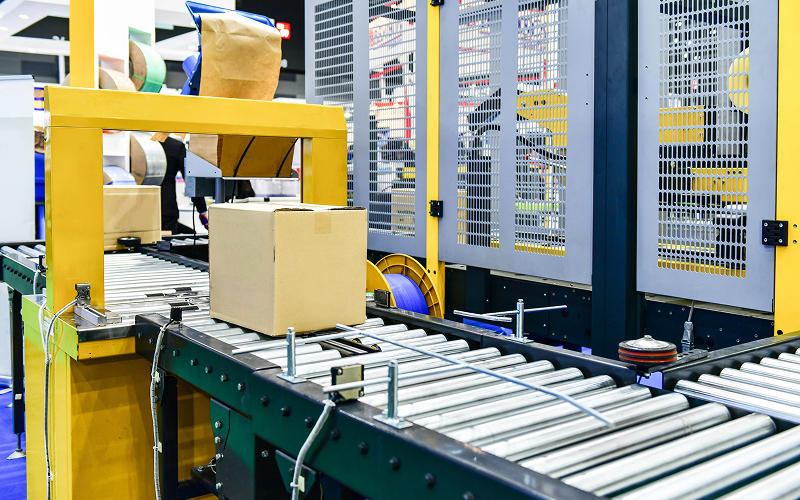
Project logistics depend on precise planning, safe handling, and timely delivery of machinery. Packing plays a key role in this process by protecting equipment, reducing risks, and ensuring efficiency throughout the supply chain. Without strong machinery packing, even well-planned projects face costly delays and operational setbacks. Companies focusing on reliable packing solutions are securing better outcomes and smoother execution for their projects.
Ensuring Equipment Protection
Machinery packing is playing a central role in protecting equipment during transportation. Heavy machinery and specialised tools are facing risks such as impact, moisture, and environmental exposure. Proper packing reduces the chance of structural damage or functional impairment. Businesses are investing in tailored solutions that secure machines against pressure and vibration while keeping them intact from departure to final delivery.
Project logistics involves moving machinery across borders, requiring precision in preparation. Each project requires unique packing methods. Wooden cases, protective wraps, and reinforced structures are being used to provide security. Strong packing ensures machinery arrives in working order, preventing costly downtime. Equipment replacement or repair is consuming resources, delaying schedules, and raising expenses. Strong machinery packing is preventing such issues by maintaining the condition from the origin to the destination.
By using durable materials and following industry standards, logistics teams are keeping equipment safe. Machinery is being transported over long distances, facing multiple handling points. Packing acts as the first line of defence, minimising risks that come with complex supply chains.
Supporting Complex Project Logistics
Project logistics deals with oversized equipment, long-distance routes, and multiple transport modes. Machinery packing is supporting this complexity by providing solutions that fit project requirements. Logistics managers are creating packing designs aligned with shipment routes, weather conditions, and customs compliance. Each layer of protection is reducing disruption.
Machinery packing is enabling seamless movement through ports, warehouses, and work sites. Equipment must fit into containers, ships, or trucks without causing inefficiency. Packing specialists are tailoring solutions that support smooth loading and unloading. Precision is improving coordination across logistics partners.
In project logistics, timelines are tight and budgets are sensitive. Machinery damage is not only increasing costs but also creating setbacks in execution. Proper packing allows logistics teams to stick to schedules and meet client expectations. Projects in construction, energy, and manufacturing depend on timely equipment delivery. Machinery packing ensures operations continue without avoidable delays.
Reducing Risk and Cost
Machinery packing is playing a role in reducing financial risk across project logistics. Equipment represents a large portion of project budgets. Damage during transport is leading to insurance claims, disputes, and project disruption. Secure packing lowers these risks, making projects more cost-efficient.
Customised packing is also helping in reducing insurance premiums. Carriers and insurers are evaluating risk factors before covering shipments. Well-packed machinery is considered less risky, resulting in better terms. Businesses are saving costs while ensuring protection.
Project logistics involves multiple handovers between carriers and contractors. Each stage creates exposure to accidents. Packing reduces risk by providing stability against shocks, corrosion, or rough handling. Secure machinery is keeping projects on track and lowering the chances of disputes with logistics partners.
Cost savings also come from efficiency. Packing designed for fast handling reduces loading time. Quicker processes are reducing delays at customs, ports, and terminals. Machinery packing supports financial control by preventing losses and keeping projects within set budgets.
Enabling Global Compliance
Project logistics often require cross-border operations. Customs and regulatory bodies impose rules on how machinery must be packed and transported. Machinery packing is helping businesses comply with international shipping standards. Improper packing is leading to fines, shipment rejection, or delays.
Packing specialists are designing cases and crates that meet international standards such as ISPM-15 for wood packaging. Compliance is not only meeting legal requirements but also supporting smoother customs clearance. Machinery packed according to regulations is passing inspections faster, reducing unnecessary stoppages.
Global projects involve different climates and environments. Machinery is moving through humid regions, deserts, or offshore sites. Packing designed for these conditions maintains equipment reliability. Moisture barriers, corrosion inhibitors, and heat-resistant materials are keeping machinery safe from environmental damage.
Regulatory compliance is also building credibility. Clients trust contractors who demonstrate proper logistics practices. Machinery packing is showing commitment to quality, safety, and professionalism.
Enhancing Efficiency in Project Execution
Project logistics is not only about transport; it is about execution efficiency. Machinery packing is streamlining project flow by reducing disruptions. Well-packed equipment is easier to handle, load, and unload. Packing designed for stackability and handling compatibility is speeding up movement between logistics hubs.
Efficient packing also reduces storage space. Equipment packed securely and compactly fits into containers or warehouses better, lowering costs. Space efficiency allows project managers to maximise available capacity.
On-site efficiency is also benefiting from strong packing. Machinery arriving in operational condition is enabling immediate use. Projects are avoiding delays caused by repairs or adjustments. Packing is contributing to overall project performance by allowing smooth equipment mobilisation.
Conclusion
Machinery packing serves as a critical part of project logistics. It is ensuring protection, supporting complex operations, reducing cost, enabling compliance, and enhancing efficiency. Businesses investing in strong packing solutions are strengthening project outcomes and safeguarding resources.
Contact Sin Chew Woodpaq today for reliable machinery packing that ensures success in project logistics.