
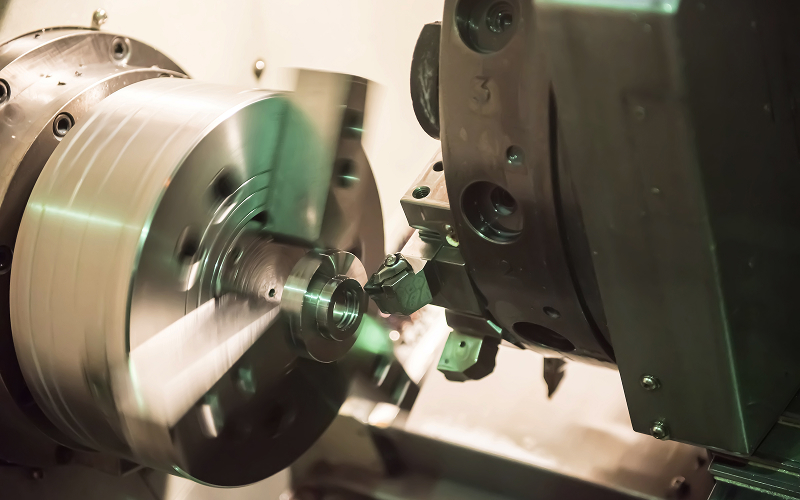
In today’s technology-driven world, optical components are everywhere, from the lenses in smartphones and cameras to the laser systems used in medical devices. Manufacturing these highly sensitive parts requires methods that deliver both accuracy and consistency. That is where CNC machining comes into play. This technology has revolutionized how optical components are designed, shaped, and brought into everyday applications.
The Role of Accuracy in Optical Manufacturing
Optical parts must meet exact specifications. Even the smallest deviation can distort light, reduce clarity, or compromise the function of a device. Whether it’s a telescope lens or a fiber optic connector, precision matters. To meet these demands, manufacturers turn to precision machining services. These services focus on cutting, shaping, and refining parts with tolerances so tight that they are measured in microns. This level of detail ensures the final product works exactly as intended, making it possible for engineers to push innovation forward in industries that depend on optics.
CNC Technology and Its Advantages
Unlike traditional methods, CNC machining provides a digital-driven process where designs are programmed and executed with unmatched consistency. By using advanced computer control, manufacturers can produce optical components with repeatable accuracy across large production runs. This not only reduces errors but also minimizes material waste. For a field like optics, where materials such as quartz, glass, and specialized polymers can be costly, this efficiency makes a major difference. Beyond accuracy, CNC systems also make it easier to experiment with complex designs, opening doors to new optical technologies that would be nearly impossible with manual techniques.
Meeting Demands Across Industries
Optical components are not limited to consumer products. They are critical in aerospace, defense, and healthcare applications, where performance can’t be compromised. For instance, medical imaging systems rely on lenses and mirrors that must deliver flawless clarity. In aerospace, satellites and telescopes depend on optical parts that can withstand extreme environments while maintaining precision. Precision machining services ensure these components are made to exact standards, no matter how demanding the application. By combining advanced machines with skilled operators, manufacturers can achieve the balance of quality and scalability that industries now expect.
The Importance of Surface Finishing
When it comes to optics, surface quality is just as important as shape. A perfectly formed lens won’t function correctly if its surface is rough or uneven. CNC machining provides the groundwork, but additional polishing and finishing processes are required to achieve the smoothness optical components demand. The integration of machining and finishing creates components that not only fit mechanical designs but also meet the optical clarity standards necessary for high-performance devices. This careful balance of form and finish highlights how manufacturing techniques must work together to achieve excellence.
Innovation and Customization in Optics
Another key advantage of CNC machining is flexibility. Optical technology continues to evolve, and so do the demands placed on components. Custom designs for research labs, experimental devices, or specialized medical instruments are often needed in small batches. Traditional mass-production methods can’t handle these variations effectively. CNC systems, however, allow quick adjustments in programming, making it easier to create tailored solutions without sacrificing quality. This adaptability is essential as optical engineering expands into new fields such as augmented reality, quantum computing, and advanced communication systems.
Future Outlook of Optical Manufacturing
As industries continue to rely on optics for innovation, the role of precision machining services will only grow. From improving camera quality to supporting breakthroughs in space exploration, the need for exact, reliable components is stronger than ever. The combination of advanced CNC machines and skilled technicians ensures that manufacturers can meet rising expectations while exploring new possibilities. With automation and digital design driving the future, optical components are likely to become even more sophisticated, smaller, and efficient—continuing the cycle of innovation that CNC technology helps fuel.
Conclusion
The manufacturing of optical components is a field where accuracy and consistency define success. CNC machining provides the foundation for this precision, while surface finishing and customization enhance the final results. Meanwhile, precision machining services ensure that industries ranging from healthcare to aerospace receive the exact parts they need. As optical technology evolves, these methods will remain central to progress. For businesses looking to stay ahead, partnering with experts in this field is essential—reach out to Disk Precision Group to learn how precision machining can help bring your vision to life.