
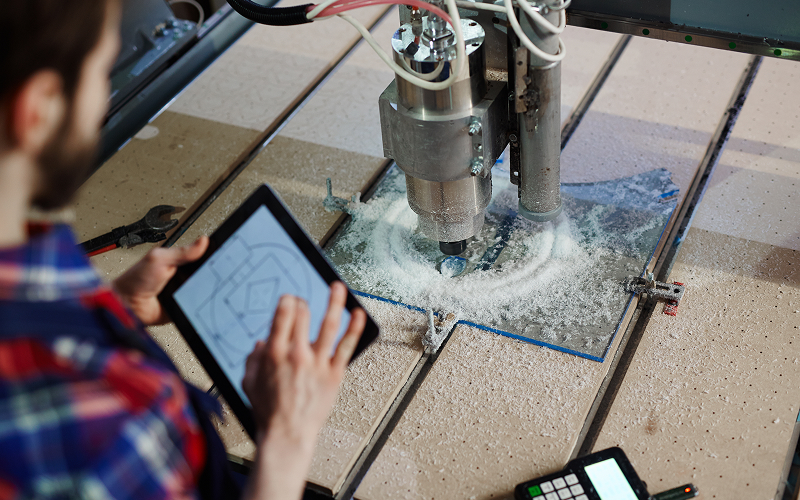
Before a single chip of metal flies, every project begins as an idea on a screen. Designers map out exact dimensions, and engineers set the rules for how each cut will take shape. Turning that clean digital model into something solid takes more than imagination. It calls for the accuracy and repeatability that CNC machining brings to the workshop.
Turning Digital Designs into Real Parts
Every finished part starts life as a digital plan. Engineers create models using CAD software, plotting every line, curve, and hole. This blueprint tells machines exactly what shape the part should take. Once approved, the design is translated into G-code, which acts like a set of dance steps for the machine to follow.
CNC machining takes that digital choreography and performs it on raw material with striking accuracy. The machine’s computer controls the movement of tools along multiple axes, shaving away material until the final shape appears. It is like sculpting, except the sculptor follows precise instructions to the letter. This process gives manufacturers control over size, shape, and surface quality without guesswork.
Why CNC Machining Stands Out
While traditional methods depend on manual skill, CNC machining relies on repeatable programming. Once the code is set, machines can produce identical parts over and over without fatigue or drift. This is vital for industries like aerospace and automotive, where a tiny error can derail performance.
It also saves time. Multi-axis machines can handle drilling, milling, and cutting in one setup, removing the need to transfer workpieces between different machines. This not only speeds up production but also reduces the risk of misalignment. The result is a smooth workflow from raw block to ready product, keeping manufacturing lines as steady as a metronome.
Precision Engineering in Singapore: A Growing Field
Singapore has become a regional hub for advanced manufacturing, and precision engineering in Singapore has been central to that growth. Local workshops invest heavily in CNC machines, offering high-tolerance parts for electronics, medical devices, and marine components. This helps meet the strict standards set by global clients who demand reliability.
Government support has also played a role. Training grants and technology initiatives have encouraged smaller firms to adopt advanced methods. This strengthens the talent pool while keeping production capabilities sharp. With skilled machinists and modern equipment, workshops can meet complex project demands without sending work overseas.
How Workshops Bridge Design and Production
Turning a concept into a tangible item involves more than pressing a start button. Machinists review digital drawings to choose suitable materials and cutting tools. They plan how to position the workpiece to avoid waste and ensure stability during cutting. Each step is double-checked to avoid errors before any material is touched.
This planning matters because CNC machines follow instructions precisely. If the plan is wrong, the part will be wrong too. Careful setup bridges the gap between design and production, making sure the finished item matches the original idea. It is like building flat-pack furniture, except the parts are made from scratch and must fit perfectly on the first try.
Why Accuracy Matters in Local Production
For companies in Singapore, accuracy is not just about bragging rights. It affects whether parts fit together during assembly. A single mismatched hole can stall a whole production line. Precision engineering in Singapore has become trusted worldwide because local workshops understand this responsibility.
By keeping tolerances tight, they reduce the need for rework, saving time and materials. This efficiency helps keep costs stable despite high operating expenses. It also supports industries like biomedical technology and semiconductors, where even slight variations can cause failures. Reliable output keeps these sectors running smoothly, making precision a key selling point.
How CNC Operators Keep Designs on Track
CNC machines follow code faithfully, but the machinists behind them make sure that code works in real life. Operators check tool paths for errors, adjust cutting speeds to suit the material, and watch for signs of tool wear. Their role keeps the design intent intact from start to finish.
This human oversight ensures that small problems do not grow into costly mistakes. A well-trained operator can spot when a cutter is drifting off path or when vibrations threaten the surface finish. By catching these issues early, they help the part stay true to the blueprint, keeping the line from design to product clean and steady.
From Ideas to Items, One Line of Code at a Time
CNC machining shows how planning and programming can bring designs to life with reliable accuracy. By blending digital planning, mechanical skill, and careful setup, workshops turn abstract plans into parts that keep industries running. The journey from blueprint to product may seem technical, but it is really about getting each detail right from the start. Contact Disk Precision Group to bring your designs from screen to shop floor with dependable expertise.