
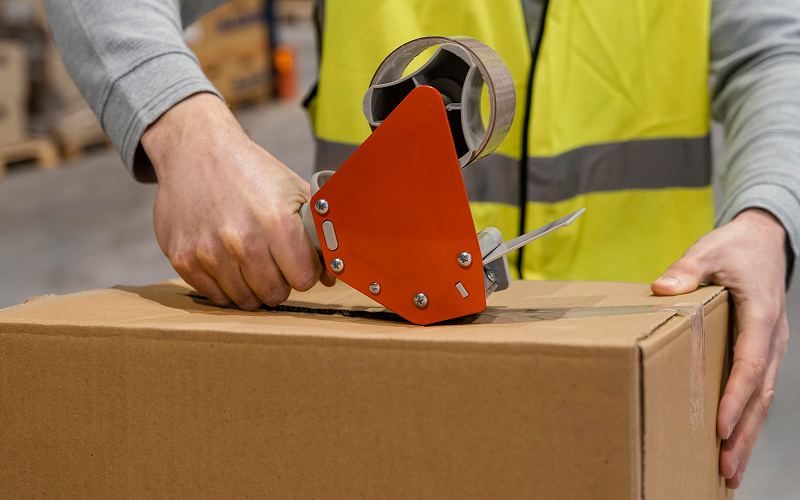
Packing lines can quickly become frustrating bottlenecks or run smoothly with ease. Much of this depends on the tools and procedures in place. One essential tool that keeps everything moving forward is the case sealer. When used properly, it guarantees consistency, reduces waste, and saves time. Here are the key dos and don’ts to follow to ensure success.
Do Set Up the Case Sealer Properly
Before starting operations, ensure the machine is calibrated for the carton size. Uneven sealing or wasted tape can result from a poorly adjusted sealer. Spend time checking tension and alignment, as small adjustments now can prevent bigger problems later. A brief test run before full operation helps confirm that everything is working as it should.
Don’t Overlook Regular Maintenance
Skipping routine checks may seem harmless, but dust, tape residue, and worn parts can slow performance. Clean rollers, inspect belts, and replace blades when necessary. Consistent maintenance keeps the case sealer running smoothly, reducing unexpected breakdowns. Think of it as a preventative habit that helps you avoid costly production stoppages.
Do Train Staff on Correct Usage
Even with an automated design, a case sealer still requires human oversight. Train staff on loading cartons correctly, clearing jams, and knowing when to pause the machine. Well-trained operators help minimise errors, keeping the packaging line efficient and safe. It also reduces downtime since issues can be spotted and resolved quickly.
Don’t Use Low-Quality Tape
Cheap tape may look like a saving, but it often leads to poor adhesion, tearing during application, or failure in transit. This can cause rework or product damage. Invest in tape that matches the sealing requirements, as the packaging machine works best with materials designed for the job.
Do Monitor Output for Consistency
A case sealer is built for uniform results, but regular checks remain essential. Spotting issues early ensures cartons are sealed securely, even during busy shifts. This step prevents small flaws from becoming bigger shipping problems. By catching imperfections early, you protect customer satisfaction and reduce returns.
Don’t Ignore Safety Precautions
It’s tempting to speed through tasks, but ignoring safety can lead to accidents. Always keep your hands clear of moving parts and use lock-out procedures before maintenance. Following safety protocols protects both the operators and the machine.
Do Match the Machine to Your Workflow
Not every packaging machine fits every environment. Consider carton sizes, production volume, and tape type when choosing equipment. A machine that matches your workflow boosts productivity and reduces unnecessary strain on the line. Choosing wisely also extends its lifespan, helping you avoid premature wear and costly replacements.
Don’t Let Cartons Get Damaged Before Sealing
Crushed or poorly stacked cartons cause problems for the sealer, often leading to misalignment or jams. Store cartons properly before feeding them into the packaging line. Preventing carton damage upstream makes sealing smoother and more reliable. A little care in storage ensures the machine doesn’t struggle unnecessarily with misshapen boxes.
Do Track Efficiency and Make Adjustments
Monitor how the sealer performs over time. Track throughput, waste, and downtime to identify improvement. Making small adjustments helps you get the most out of both the case sealer and the packaging machine. Regular monitoring also highlights patterns that can be improved through training or process changes.
Success in packaging is not just about running a machine; it’s about using it effectively. Correct setup, quality materials, and attention to safety all contribute to reliable results. By following these dos and don’ts, your packaging line will remain efficient while maximising the value of your investment in a case sealer.
Contact Sunstream Industries to learn more about choosing the right case sealer and packaging machine for your operations.