
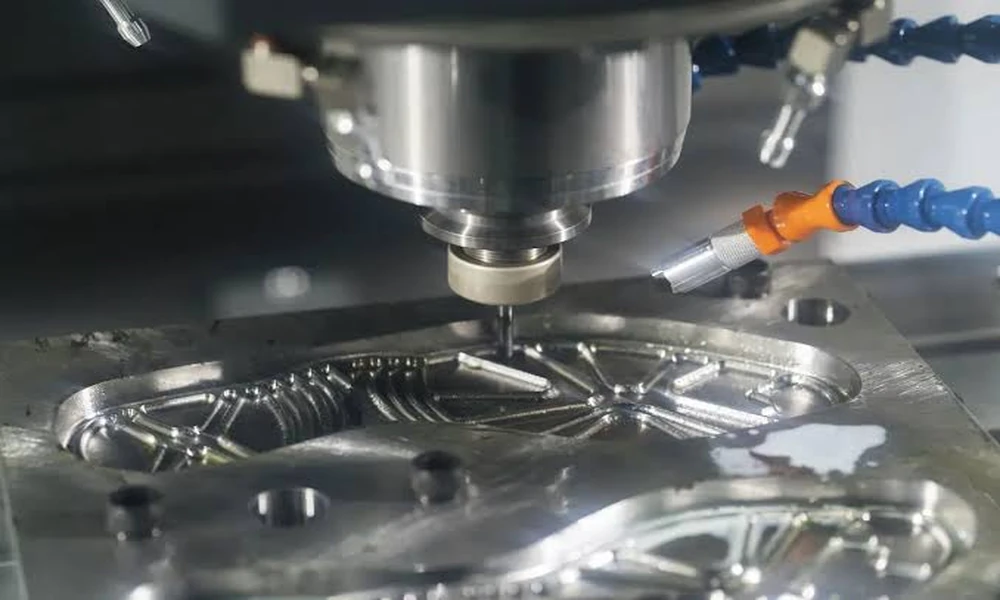
Choosing a precision manufacturing partner starts with understanding exactly what a project requires. A machine shop in Dallas TX may support everything from prototypes and custom components to recurring production work, but location should only be one consideration. The more clearly a manufacturer defines its technical specifications, materials, quantities, tolerances, and delivery expectations, the easier it becomes to assess whether a prospective machining partner has the appropriate capabilities.
Identifying Your Project’s Manufacturing Requirements
Before contacting a machining provider, document the basic requirements of the project. These may include engineering drawings, three-dimensional models, required quantities, material specifications, tolerances, surface finishes, and target delivery dates.
Production volume can influence the appropriate manufacturing approach. A prototype or small batch may require flexibility and detailed collaboration, while larger recurring orders may require greater production capacity and repeatability.
Understanding these requirements also helps when comparing suppliers in different industrial markets. Machine shop in Houston TX have experience serving energy, petrochemical, maritime, and other industrial applications, while shops elsewhere may have greater exposure to different manufacturing sectors.
Understanding Material and Dimensional Considerations
Material selection affects machining methods, tooling, cutting parameters, finishing, and overall production requirements. Common materials include aluminum, stainless steel, carbon steel, brass, and various engineering plastics.
Dimensional requirements are equally important. Tolerances indicate how much variation is acceptable in a component’s dimensions, and tighter tolerances may require specialized equipment, tooling, measurement systems, and additional inspection.
Surface finish requirements should also be communicated clearly. A component designed for a moving assembly, sealing application, or demanding industrial environment may require specific finishing characteristics.
Evaluating Equipment and Technical Capabilities
A supplier’s equipment should correspond to the complexity and dimensions of the components being manufactured. CNC milling and turning are common processes, while complex geometries may require multi-axis machining or specialized equipment.
Consider the size of the workpiece, number of machining operations, required tolerances, and material when evaluating technical capabilities. Programming expertise is also important because sophisticated equipment still depends on accurate toolpaths, appropriate tooling, and effective process planning.
Manufacturers should also determine whether prospective suppliers can handle secondary requirements such as finishing, inspection, or other supporting processes.
Reviewing Quality Control and Production Processes
Quality control should be examined before production begins rather than treated as an afterthought. Ask how measurements are verified, what inspection equipment is used, and how dimensional results are documented.
Depending on the industry, projects may require material certifications, inspection reports, traceability, or specific quality procedures. Understanding these requirements in advance helps prevent documentation or compliance issues later.
Production processes should also be evaluated for consistency. Repeatable workflows, documented procedures, equipment maintenance, and inspection checkpoints can contribute to reliable results across production batches.
Questions to Ask Before Starting a Project
Several practical questions can help manufacturers compare potential machining partners:
- Does the shop have experience with similar components?
- Which materials and dimensions can it accommodate?
- What machining equipment is available?
- What tolerances can routinely be achieved?
- How are components inspected?
- What production quantities are supported?
- What are the expected lead times?
- Can finishing or secondary operations be coordinated?
- What documentation will accompany completed parts?
- How are design or production issues communicated?
Clear answers help establish whether a supplier’s capabilities align with the project’s requirements.
Establishing a Strong Manufacturing Fit
Selecting a precision manufacturing partner involves balancing technical capability, quality procedures, production capacity, communication, and scheduling. A detailed project brief gives both sides a stronger foundation for evaluating feasibility and expectations.
Rather than focusing on a single factor, manufacturers can compare suppliers against the complete set of requirements. This approach makes it easier to identify a machining partner equipped to support the project’s specifications and production objectives.