
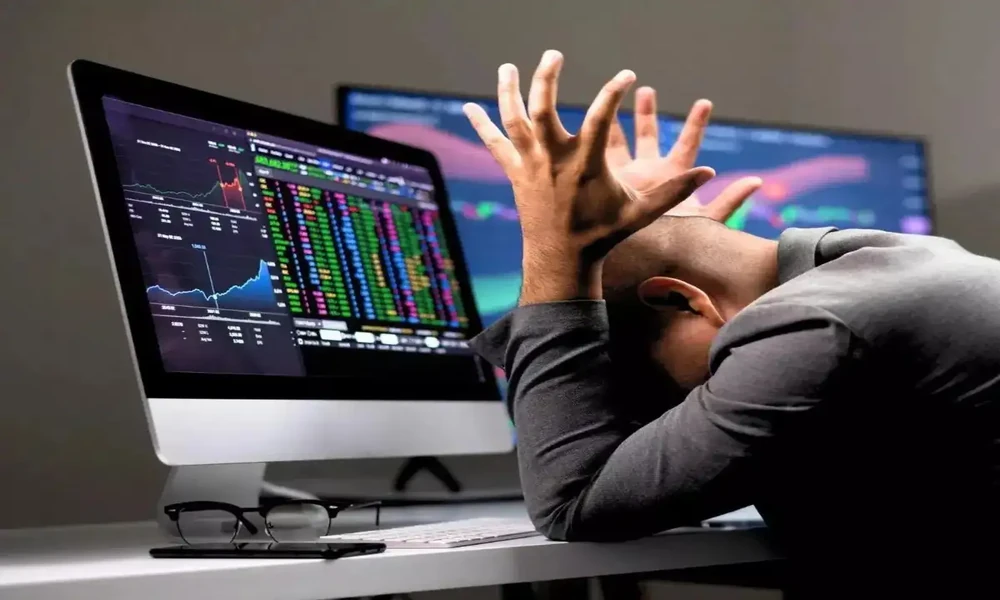
Broking is the process through which investors and traders access financial markets using the services of a registered broker or broking platform. For someone entering the market for the first time, the concept can appear complicated because trading accounts, demat accounts, order types, brokerage charges and settlement processes are often discussed together.
At its core, broking provides the connection between the investor and the market. The investor decides what to buy or sell, while the broker provides the infrastructure needed to place and process eligible market orders. Digital platforms have made this access more convenient, but the investor is still responsible for understanding the securities being traded and the risks involved.
A basic understanding of how broking works can help new market participants avoid operational mistakes and make more informed decisions before placing their first order.
The Broker Connects Investors With The Market
Individual investors generally do not send orders directly to a stock exchange on their own. Instead, they use the services of an authorised broker that provides access to the market through a trading account and related infrastructure.
When an investor places an order, the broker’s system routes it according to the applicable market process. If a matching order is available and the required conditions are met, the trade may be executed.
This role makes the broker an important intermediary, but it does not mean the broker guarantees the outcome of an investment. Market prices can rise or fall after a transaction, and investment decisions remain subject to market risk.
Trading Accounts And Demat Accounts Have Different Roles
New investors often use the terms trading account and demat account interchangeably, but they serve different functions.
A trading account is generally used to place buy and sell orders. A demat account is used to hold eligible securities electronically after the transaction and settlement process is completed.
A linked bank account may also be used for transferring funds related to investments and receiving eligible proceeds.
Understanding these separate roles makes the investment process easier to follow because users can see where money moves, where orders are placed and where securities are ultimately held.
Buying A Share Involves More Than Pressing Buy
Digital interfaces can make order placement look extremely simple. An investor selects a stock, enters a quantity and confirms the order.
Behind that simple action are several important decisions. The investor needs to know whether the security fits the financial objective, whether the price is acceptable and how much capital should be allocated.
The order type also matters. A market order generally seeks execution at the available market price, while a limit order allows the user to specify a preferred price, subject to market availability.
Understanding these differences can reduce the chance of an unexpected execution price.
Selling Requires The Same Level Of Attention
Selling a security is not simply the reverse of buying. Investors should have a reason for exiting a position rather than making the decision only because the price moved sharply during the day.
A long-term investor may sell because the original investment thesis has changed, the portfolio has become too concentrated or the financial goal now requires the funds. A trader may follow a predefined exit level based on the strategy being used.
The important point is that the exit decision should be connected to a plan rather than to short-term emotion.
Brokerage Is Only One Part Of Transaction Cost
The word broking often brings attention to brokerage charges, but the total cost of market activity can include several components.
Depending on the transaction and applicable rules, costs may include brokerage, statutory charges, taxes and other permitted fees. These charges can influence the final outcome, particularly when an investor trades frequently.
A small cost on one transaction may not appear significant, but repeated buying and selling can cause overall expenses to increase over time.
Investors should therefore review the full charge structure rather than focusing only on one advertised fee.
Digital Broking Has Changed Market Access
Technology has made market participation easier by allowing users to review prices, place orders and monitor portfolios through mobile and web platforms.
Using a Broking platform can bring several market-related functions into one interface, but the convenience of digital access should not encourage investors to trade without preparation.
Fast order placement can be helpful when a decision has already been made carefully. It becomes risky when speed replaces research.
The app should support the investor’s process, not create pressure to act simply because the market is always accessible.
Research Remains The Investor’s Responsibility
A broking platform may provide charts, company information, research reports or market updates depending on the services available.
These tools can help organise information, but they should not be treated as guaranteed recommendations.
Investors need to assess whether a security fits their goals, time horizon and risk capacity. Long-term investors may focus more heavily on business quality, financial performance and valuation, while active traders may place more emphasis on price action and risk controls.
The research process should match the strategy being followed.
Account Security Is Part Of Responsible Broking
A trading account provides access to financial assets and personal information, making security an important part of market participation.
Users should keep passwords, OTPs and authentication details private. They should avoid logging in through unknown links or sharing access with individuals claiming to offer account assistance.
Applications should be downloaded only through authorised channels, and unusual account alerts should be reviewed promptly.
Good market decisions have little value if account access is not protected properly.
Order Confirmation Should Become A Habit
Before confirming any transaction, investors should review the order details carefully.
The security name, quantity, order type, price information and transaction direction should all be checked. An accidental buy instead of a sell, or an incorrect quantity, can create an unintended position.
This habit is particularly important during volatile market conditions, when users may feel pressure to act quickly.
A few seconds of verification can help prevent operational errors that have nothing to do with the investment idea itself.
Market Volatility Is Normal
Prices in financial markets do not move in a straight line. Short-term volatility can occur because of company developments, economic data, global markets, investor sentiment and many other factors.
New investors may interpret every decline as a sign that something has gone wrong. This can lead to emotional selling.
The more useful approach is to understand the reason the security was purchased and whether that reason has materially changed.
For traders, volatility may be part of the strategy, but it still requires defined risk controls.
Frequent Trading Can Change The Risk Profile
Digital broking makes it possible to buy and sell quickly, but frequent activity is not automatically more effective.
More trades can increase transaction costs and expose the investor to more short-term market movements. It may also encourage impulsive decisions when prices move rapidly.
Investors should understand whether their activity level matches their experience and financial goals.
A long-term portfolio does not need to be adjusted every day simply because the platform makes frequent trading possible.
Portfolio Review Should Look Beyond Individual Stocks
An investor may hold several companies and still have a concentrated portfolio if those companies belong to the same sector or respond to similar economic factors.
Broking platforms can make it easier to view holdings together and assess the overall structure of the portfolio.
This broader view matters because investment risk is affected not only by the quality of individual securities but also by how much capital is concentrated in particular areas.
Diversification cannot remove all market risk, but it can help investors avoid depending entirely on one company or theme.
Customer Support Matters During Operational Problems
Most users may not think about customer support until something goes wrong.
An order status issue, account access problem, fund transfer question or document requirement can make reliable support important.
Investors should know how to reach official support channels and should avoid sharing sensitive account information with unofficial contacts.
Understanding the support process before an issue occurs can make account management less stressful when assistance is actually required.
Statements And Trade Records Should Be Reviewed
Digital platforms maintain records of account activity, but investors should still review them periodically.
Trade confirmations, contract notes and account statements can help users verify transactions and understand how frequently they are trading.
This review may also reveal behavioural patterns. An investor may discover that several trades were made without a clear strategy or that transaction costs are becoming larger than expected.
Records are not only administrative documents; they can also provide useful feedback about investment behaviour.
Broking Should Support A Financial Plan
Market access is most useful when it connects to a broader financial objective.
An investor building wealth for retirement may need a different approach from someone using a small allocation for active trading. The amount of capital placed in the market should also be considered alongside emergency savings, insurance needs and existing financial obligations.
Broking should therefore be viewed as a tool within financial planning rather than as a separate activity driven only by daily market movement.
Conclusion
Broking provides the infrastructure that allows investors and traders to access financial markets, place orders and manage eligible securities through authorised platforms. For first-time market participants, understanding the relationship between trading accounts, demat accounts, order execution and transaction costs can make the process much easier to follow.
Digital access has improved convenience, but it has not reduced the importance of research, security, risk management and disciplined decision-making. Investors should verify every order, understand applicable costs and review their portfolio in the context of their broader financial goals.
Anyone participating in the Share Market should remember that a broker provides market access, while the responsibility for evaluating risk and making suitable investment decisions remains with the investor.
FAQs
1. What Does Broking Mean?
Broking refers to providing investors with access to financial markets through an authorised broker or platform.
2. Is A Demat Account The Same As A Broking Account?
No, a demat account holds eligible securities electronically while a trading account supports market transactions.
3. Does Broking Involve Charges?
Yes, market transactions may involve brokerage, taxes, statutory charges and other applicable costs.
4. Can Beginners Use Digital Broking Platforms?
Yes, but beginners should first understand order types, market risk and basic account processes.
5. Does A Broker Guarantee Investment Returns?
No, brokers provide market access and services, but securities remain subject to market risk and possible losses.