
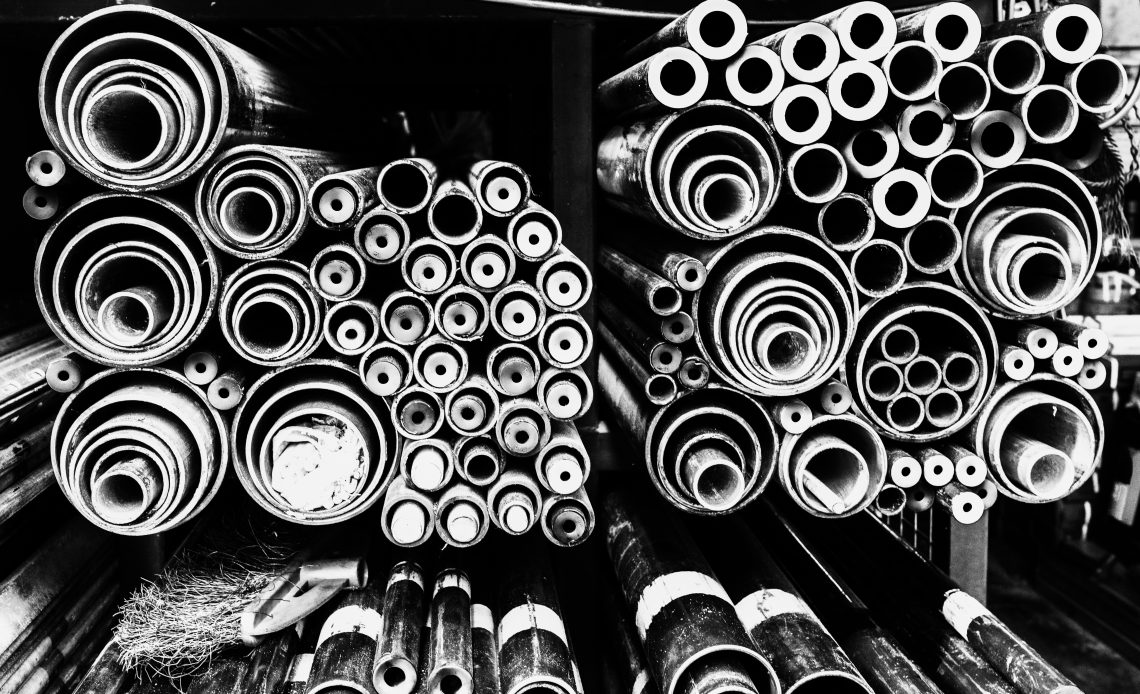
Industrial operations depend heavily on reliable piping systems to transport fluids, gases, steam, and other materials efficiently and safely. Among the various piping materials available today, Carbon Steel Pipes & Tubes remain one of the most widely used solutions across industries due to their strength, versatility, durability, and cost-effectiveness.
From oil and gas facilities to construction projects, power plants, manufacturing units, and water treatment systems, carbon steel pipes play a vital role in ensuring smooth operations. However, selecting the right carbon steel pipes and tubes requires careful consideration of several factors, including application requirements, operating conditions, pressure ratings, and industry standards.
As a Leading API 5L Pipes Manufacturer and Exporter, Trio Steel understands the importance of choosing the right piping solutions for industrial applications. This guide explores the key factors businesses should consider when selecting carbon steel pipes and tubes and how the right choice can improve performance, safety, and long-term project success.
What Are Carbon Steel Pipes & Tubes?
Carbon steel pipes and tubes are manufactured using steel that primarily consists of iron and carbon. The carbon content contributes to the material’s strength and hardness while maintaining good machinability and weldability.
Carbon steel piping products are available in various grades, sizes, wall thicknesses, and specifications to suit different industrial applications.
Their popularity stems from several advantages, including:
- High mechanical strength
- Excellent durability
- Cost-effective performance
- Easy fabrication and welding
- Wide availability
- Suitable for high-pressure applications
These characteristics make carbon steel one of the most commonly used materials in industrial piping systems.
Understanding the Difference Between Pipes and Tubes
Although the terms are often used interchangeably, pipes and tubes serve slightly different purposes.
Carbon Steel Pipes
Pipes are generally used to transport fluids, gases, and other materials. They are specified primarily by nominal pipe size (NPS) and wall thickness.
Common applications include:
- Oil and gas transportation
- Water distribution systems
- Chemical processing
- Power generation facilities
Carbon Steel Tubes
Tubes are typically specified by outside diameter and wall thickness and are often used in structural and mechanical applications.
Common applications include:
- Heat exchangers
- Mechanical systems
- Structural frameworks
- Manufacturing equipment
Understanding these differences helps industries select the most appropriate product for their specific requirements.
Key Factors to Consider When Choosing Carbon Steel Pipes & Tubes
Selecting the right piping solution involves more than simply choosing a size or grade. Several critical factors influence performance and durability.
1. Application Requirements
The first step is understanding the intended application.
Questions to consider include:
- Will the pipe transport liquids, gases, or steam?
- Is the application structural or process-related?
- What industry standards apply?
- Will the system operate continuously or intermittently?
Different applications require different pipe specifications, making application analysis essential.
2. Operating Pressure
Pressure requirements significantly influence pipe selection.
High-pressure systems require pipes with:
- Greater wall thickness
- Enhanced mechanical properties
- Higher strength grades
Selecting pipes with inadequate pressure ratings can compromise safety and operational reliability.
3. Temperature Conditions
Industrial piping systems often operate under varying temperature conditions.
For high-temperature applications, carbon steel pipes must possess:
- Thermal stability
- Resistance to deformation
- Adequate strength retention
Similarly, low-temperature environments may require materials capable of maintaining toughness and preventing brittleness.
4. Corrosion Considerations
While carbon steel provides excellent strength, it may require additional protection in corrosive environments.
Industries should assess:
- Exposure to moisture
- Chemical contact
- Environmental conditions
- Internal fluid characteristics
Protective coatings, linings, or specialized grades can help improve corrosion resistance and extend service life.
5. Pipe Dimensions and Thickness
Pipe diameter and wall thickness directly impact:
- Flow capacity
- Pressure handling capability
- Structural integrity
Choosing the correct dimensions ensures efficient system performance while minimizing operational risks.
Common Grades of Carbon Steel Pipes
Different grades of carbon steel pipes are available to meet various industry requirements.
Some commonly used grades include:
ASTM A106
Widely used for high-temperature service applications in refineries, power plants, and industrial facilities.
ASTM A53
Suitable for mechanical and pressure applications, including steam, water, air, and gas lines.
API 5L
Designed specifically for pipeline transportation systems in oil and gas industries.
As a Leading API 5L Pipes Manufacturer and Exporter, Trio Steel supplies high-quality API 5L pipes that meet stringent industry requirements for pipeline infrastructure.
Industries That Use Carbon Steel Pipes & Tubes
Oil and Gas Industry
The oil and gas sector is one of the largest consumers of carbon steel piping systems.
Applications include:
- Crude oil transportation
- Natural gas pipelines
- Refinery processing systems
- Offshore and onshore projects
Power Generation
Power plants utilize carbon steel pipes for:
- Steam distribution
- Cooling water systems
- Fuel transportation
- Boiler applications
Construction and Infrastructure
Carbon steel pipes are widely used in:
- Structural frameworks
- Water supply systems
- Fire protection systems
- Infrastructure projects
Manufacturing
Manufacturing facilities rely on carbon steel tubing and piping for process equipment, machinery, and production systems.
Water Treatment
Water treatment plants use carbon steel pipes for fluid handling, pumping systems, and distribution networks.
Benefits of Choosing High-Quality Carbon Steel Pipes & Tubes
Selecting high-quality products from a trusted supplier offers several long-term advantages.
Enhanced Durability
Premium-grade carbon steel pipes can withstand demanding operating conditions and provide years of reliable service.
Improved Safety
Properly manufactured pipes reduce the risk of leaks, failures, and operational disruptions.
Cost Efficiency
Although high-quality products may have a higher initial investment, they often reduce maintenance and replacement costs over time.
Regulatory Compliance
Certified products help organizations meet industry regulations and project specifications.
Reliable Performance
Quality pipes ensure consistent operation under varying pressure and temperature conditions.
Why Supplier Selection Matters
Even the best materials can underperform if manufacturing standards are compromised.
When choosing a supplier, industries should evaluate:
- Manufacturing expertise
- Quality certifications
- Testing procedures
- Export capabilities
- Industry experience
- Technical support
Working with an established supplier helps ensure product quality and project success.
Why Industries Trust Trio Steel
As a Leading API 5L Pipes Manufacturer and Exporter, Trio Steel provides comprehensive piping solutions for customers across global markets.
The company’s strengths include:
Extensive Product Range
- Carbon Steel Pipes & Tubes
- API 5L Line Pipes
- Alloy Steel Pipes
- Stainless Steel Pipes
Strict Quality Control
Every product undergoes thorough inspection and testing to ensure compliance with international standards.
Global Supply Capabilities
Trio Steel supports projects worldwide through reliable export services and efficient logistics management.
Technical Expertise
The company’s experienced team helps customers select the most suitable piping solutions based on project requirements.
Customer-Focused Service
From inquiry to delivery, Trio Steel prioritizes customer satisfaction and long-term partnerships.
Best Practices for Selecting Carbon Steel Pipes & Tubes
To ensure optimal performance, industries should:
- Clearly define application requirements
- Evaluate operating pressure and temperature conditions
- Select appropriate grades and specifications
- Verify compliance with industry standards
- Partner with reputable manufacturers
- Consider long-term maintenance requirements
Following these practices can significantly improve system efficiency and reliability.
Choosing the right Carbon Steel Pipes & Tubes is a critical decision that affects operational performance, safety, and project costs. Factors such as application requirements, pressure ratings, temperature conditions, corrosion resistance, and material grades must all be carefully evaluated.
By partnering with a trusted supplier like Trio Steel, industries can access high-quality products backed by technical expertise, strict quality standards, and reliable global delivery capabilities.
As a Leading API 5L Pipes Manufacturer and Exporter, Trio Steel continues to provide dependable piping solutions that meet the needs of industries worldwide.
Enquire at Trio Steel Today
Need help selecting the right Carbon Steel Pipes & Tubes for your industrial project?
Contact Trio Steel today or fill out our enquiry form to receive expert guidance from our technical team. Whether you require Carbon Steel Pipes & Tubes, API 5L Line Pipes, Alloy Steel Pipes, or Stainless Steel Pipes, we can help you find the ideal solution for your application.
Call: +91 9819435945
Email: info@triosteel.com