
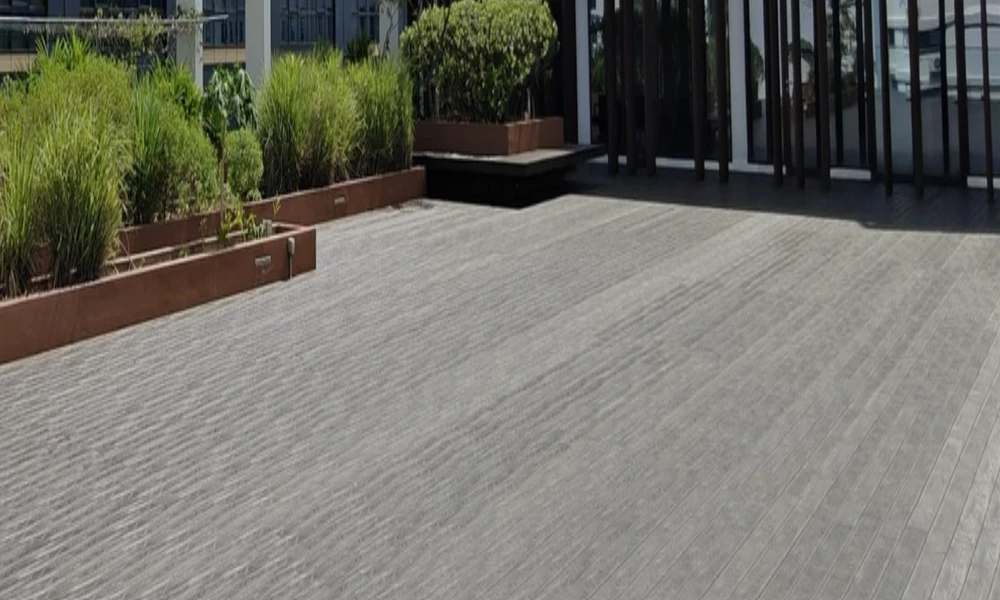
Choosing suitable timber decking materials is one of the most important decisions when planning an outdoor decking project. The materials selected influence structural performance, durability, maintenance requirements, and the overall lifespan of the deck. While appearance often attracts the most attention, technical characteristics such as timber quality, grading, treatment, and installation suitability should play a greater role in the decision-making process.
In Singapore’s tropical climate, outdoor decking is exposed to frequent rainfall, high humidity, and strong sunlight throughout the year. Selecting materials that are appropriate for these conditions helps create decking systems that remain stable and functional over the long term. This detailed guide explains the key factors property owners should evaluate before purchasing timber decking materials for residential and commercial projects.
Why Material Selection Matters
Timber decking is a complete structural system rather than simply a collection of timber boards. Every component works together to support the deck throughout its service life.
Selecting suitable materials contributes to:
- Long-term durability
- Structural reliability
- Better weather resistance
- Easier maintenance
- Consistent appearance
- Improved installation quality
Poor material selection may increase maintenance requirements or reduce the lifespan of the completed deck, even when installation is carried out correctly.
Understanding Timber Decking Materials
Timber decking materials include all components required to construct a functional decking system.
These generally include:
- Deck boards
- Structural joists
- Beams
- Fasteners
- Support members
- Finishing products
Each component contributes to the deck’s structural integrity and long-term performance.
The quality of the visible deck boards alone cannot determine how well the entire decking system will perform.
Selecting the Right Hardwood
Hardwood remains one of the most widely used materials for outdoor decking because many species provide excellent structural strength and natural durability.
When evaluating hardwood timber, property owners should consider:
- Species
- Density
- Durability
- Stability
- Maintenance requirements
- Outdoor suitability
Different hardwood species possess different physical properties, making material selection an important part of project planning.
Timber Quality
Timber quality refers to the physical condition and structural characteristics of the wood.
Several indicators help assess quality before purchase.
| Quality Indicator | Importance |
| Timber species | Determines natural characteristics |
| Structural integrity | Supports long-term performance |
| Board consistency | Improves installation accuracy |
| Surface condition | Indicates manufacturing quality |
| Moisture condition | Influences stability |
| Timber grading | Provides quality classification |
Evaluating these factors helps ensure the selected timber is appropriate for outdoor applications.
Understanding Timber Grading
Timber grading classifies timber according to recognised quality or structural standards.
- Grain characteristics
- Structural defects
- Surface condition
- Board dimensions
- Overall consistency
Higher-quality grading supports more predictable installation outcomes while improving consistency across the decking project.
The Importance of Durability
Durability refers to a timber’s ability to withstand environmental exposure over time.
Outdoor decking materials regularly encounter:
- Rainfall
- Humidity
- Ultraviolet exposure
- Daily foot traffic
- Temperature fluctuations
Naturally durable hardwood species generally perform well under these conditions when combined with appropriate installation and maintenance.
Durability should always be considered together with structural design rather than as an isolated characteristic.
Timber Treatment
Timber treatment refers to processes intended to improve or preserve particular characteristics of timber.
Depending on the species and intended application, treatment may assist with:
- Moisture management
- Surface protection
- Resistance to environmental exposure
- Preservation of appearance
The appropriate treatment varies according to timber species and project requirements.
It is important to remember that treatment complements good installation practices rather than replacing them.
Considering Installation Requirements
The suitability of timber decking materials depends not only on the timber itself but also on how the decking system will be installed.
Several construction considerations influence material selection, such as:
Structural Support
The supporting framework distributes loads across the deck while maintaining long-term stability. Materials should be compatible with the structural design selected for the project.
Drainage
Drainage prevents water from remaining beneath the deck for extended periods. Proper material selection should support effective water management throughout the decking system.
Ventilation
Adequate airflow beneath the decking helps timber dry more efficiently after rainfall. Ventilation contributes to healthier timber performance throughout the deck’s lifespan.
Fastening Systems
Different timber species may require different fastening approaches. Selecting compatible fasteners supports structural stability while allowing natural timber movement.
Matching Materials to Different Applications
Different projects require different material characteristics.
Residential Homes
Residential decking commonly prioritises:
- Natural appearance
- Comfortable outdoor living
- Landscape integration
Applications include:
- Gardens
- Patios
- Balconies
- Courtyards
Commercial Developments
Commercial decking often experiences heavier usage.
Material selection should therefore consider:
- Structural durability
- Wear resistance
- Maintenance efficiency
- Long-term reliability
Hospitality Projects
Hotels and restaurants frequently require decking materials that combine attractive appearance with reliable outdoor performance.
Budget Considerations
Material selection should evaluate overall lifecycle performance rather than only initial purchase costs.
Property owners should consider:
- Expected lifespan
- Maintenance requirements
- Repairability
- Long-term durability
- Suitability for outdoor exposure
A balanced assessment helps identify materials that provide practical value throughout the deck’s service life.
Choosing a Reliable Timber Supplier
Working with a reputable timber supplier supports better purchasing decisions.
Suppliers should be able to provide information regarding:
- Timber species
- Product suitability
- Timber grading
- Maintenance guidance
- Installation recommendations
Clear product information allows property owners to compare materials based on technical characteristics rather than appearance alone.
Common Buying Mistakes
Several common mistakes may reduce the long-term performance of outdoor decking.
Choosing Materials Only by Appearance
Visual appearance should be considered alongside structural characteristics and durability.
Ignoring Local Climate
Outdoor materials should always be selected according to Singapore’s environmental conditions.
Overlooking Maintenance Requirements
Different timber species require different maintenance programmes. Understanding these requirements before purchase helps avoid unrealistic expectations.
Focusing Only on Initial Cost
Evaluating long-term durability and maintenance often provides a more accurate assessment of overall value.
Frequently Asked Questions (FAQs)
What should homeowners consider before buying timber decking materials?
Important considerations include timber species, durability, grading, structural suitability, installation requirements, maintenance expectations, and environmental conditions.
Why is hardwood commonly used for decking?
Many hardwood species provide excellent strength, durability, and natural resistance to outdoor weather, making them suitable for long-term decking applications.
Is timber treatment always necessary?
Treatment requirements depend on the timber species, intended application, and environmental exposure. Appropriate treatment should complement proper installation and routine maintenance.
How does timber grading affect decking quality?
Timber grading helps classify timber according to recognised quality or structural standards, supporting more consistent material selection.
Should installation influence material selection?
Yes. Structural support, drainage, ventilation, and fastening systems all influence how decking materials perform over time.
Making Better Material Choices for Outdoor Decking
Selecting timber decking materials requires more than choosing an attractive hardwood. Timber quality, grading, durability, treatment, installation requirements, and maintenance expectations all contribute to the long-term success of an outdoor decking project. By evaluating materials according to their technical characteristics and intended application, property owners can create decking systems that remain functional, durable, and visually appealing for many years.
Select Suitable Timber Decking Materials with Confidence
If you would like to learn more about timber decking materials, suitable hardwood species, or selecting the right materials for your outdoor decking project, you can contact Nam Soon Decking Pte Ltd. for further information and professional guidance tailored to your project requirements.