
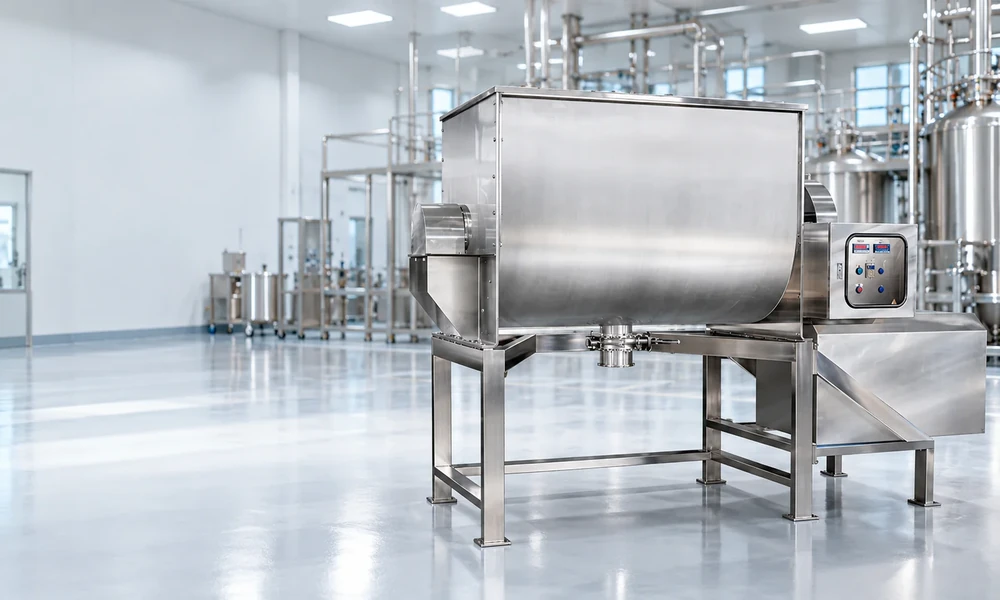
Selecting powder processing equipment is an important technical and commercial decision for manufacturers working with particulate materials. Equipment must meet defined production requirements while accommodating the physical properties of the materials being handled. An unsuitable choice can create processing inconsistencies, unnecessary downtime, cleaning difficulties and higher operating costs, even when the equipment appears capable of meeting the required throughput. Manufacturers should therefore examine material characteristics, target specifications, equipment design and the relationship between individual processing stages before making a purchase. When assessing technologies available from suppliers such as Quadro MPT, businesses should focus on how a proposed solution performs under conditions representative of their own manufacturing operations. A structured evaluation helps reduce uncertainty and supports investment in equipment that delivers appropriate product quality, reliability and long-term operational value.
Understanding the Intended Processing Application
The first step in equipment selection is defining what the process must achieve. Powder processing can involve particle size reduction, deagglomeration, conditioning, blending or other operations, each requiring different equipment characteristics.
Manufacturers should establish measurable objectives rather than relying on broad descriptions such as improved powder quality. These objectives may include a specified particle size distribution, target throughput or acceptable material retention. Clear requirements make it easier to compare technologies and evaluate performance during trials.
Assessing Material Characteristics
Powders vary considerably in physical behaviour. Important characteristics may include particle size, hardness, moisture content, cohesiveness, bulk density and sensitivity to heat or mechanical stress.
These properties influence how materials flow through equipment and respond to processing. For example, cohesive powders may present feeding difficulties, while abrasive materials can increase component wear. Understanding the incoming material is therefore essential for identifying suitable equipment and anticipating potential operational problems.
Defining Particle Size Requirements
Where milling or size reduction is involved, manufacturers should define the desired particle size distribution and any relevant limits for oversized particles or fines.
A target based solely on average particle size may not adequately describe the required material. Different distributions can produce different processing behaviour even when their averages are similar. Manufacturers should establish appropriate analytical methods and acceptance criteria before conducting equipment trials.
Evaluating Production Capacity
Equipment must be capable of supporting required production volumes without compromising product specifications. Throughput requirements should be considered alongside batch sizes, operating schedules and expected variations in demand.
Published equipment capacity figures may be based on particular materials or conditions and should not be treated as universal guarantees. Representative trials help determine realistic performance. Manufacturers should also consider whether the equipment can operate effectively at lower throughput when production requirements change.
Considering Equipment Flexibility
Some manufacturing facilities process multiple products or formulations using shared equipment. In these environments, flexibility may be an important selection criterion.
However, equipment that performs well with one material may not deliver equivalent results with another. Manufacturers should evaluate each significant application and understand the adjustments or component changes required. Flexibility should be assessed in practical terms, including setup time, cleaning requirements and achievable product specifications.
Cleaning and Contamination Control
Cleaning is an important consideration wherever equipment processes different materials or operates under strict quality requirements. Residual powder can create contamination risks and increase the time required between production runs.
Manufacturers should assess how easily product-contact components can be accessed, inspected and cleaned. The appropriate procedures depend on the application and applicable standards. Equipment design should support effective cleaning, but documented processes and suitable verification remain necessary.
Safety and Material Handling Risks
Powder processing may involve hazards associated with dust generation, moving machinery, static electricity or particular material properties. Some combustible powders can create additional risks that require specialist assessment.
Manufacturers should con