
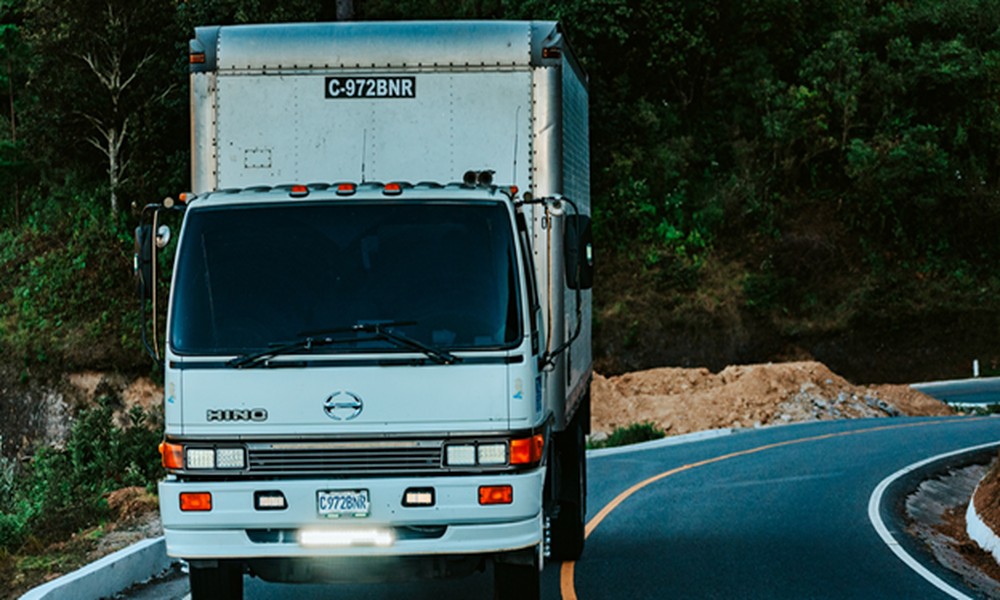
When managing logistics for high-consequence supply chains, the line between an ordinary transport run and a high-security operation comes down to proactive risk mitigation. For the vast majority of commercial freight, automated GPS tracking tags and a locked trailer doors provide an adequate defense. However, when the payload consists of military-grade hardware, class-A explosives, classified aerospace components, or multi-million-dollar pharmaceutical batches, relying solely on a lone transport truck is a gamble.
True transit security is not a passive endeavor; it is an active discipline. At the absolute pinnacle of protective logistics is the deployment of a Security Escort Vehicle (SEV). Far from being a mere visual deterrent, an SEV acts as a mobile tactical command center that shadows the transport vehicle. Driven by specially trained, cleared security professionals, these vehicles maintain continuous contact with the freight drivers, clear routes ahead, and orchestrate emergency counter-maneuvers if a threat materializes.
Understanding when to transition from standard tracking to an escort-backed framework is critical for risk managers. If your supply chain involves any of the following four scenarios, your operation crosses the threshold from standard freight into the territory of mandatory secured high value cargo shipping utilizing a dedicated security escort.
1. The Cargo Involves Department of Defense or Federal Secret-Tier Clearance
The most clear-cut mandate for an SEV comes from federal regulatory frameworks. When a carrier contracts with the Department of Defense (DoD), the Department of Energy (DoE), or defense aerospace contractors, the security protocols are written in strict federal compliance handbooks.
Shipments containing classified materials, weaponry, sensitive communication components, or nuclear-adjacent materials typically trigger a legal requirement for specific Protective Security Services (PSS). In these high-stakes transport missions, an SEV is legally required to maintain a constant, uninterrupted line of sight with the cargo vehicle. The escort team is tasked with enforcing strict operational secrecy, identifying surveillance tracking cars, and managing security checkpoints at military installations or federal research labs.
2. High-Density Commodity Real Estate Makes You a Target for Organized Theft
Organized cargo theft has evolved far beyond opportunistic criminals breaking locks at dark truck stops. Today, sophisticated international syndicates utilize signal jammers, fictitious pick-ups, and coordinated highway ambushes to hijack high-value goods.
When a single 53-foot trailer holds millions of dollars worth of microchips, unreleased consumer electronics, high-end fashion goods, or bulk pharmaceuticals, the financial density makes the truck a high-priority target. In these situations, syndicates often track the truck directly from the manufacturing plant or port. An SEV disrupts this tracking strategy completely. The escort team scans the route for trailing vehicles, performs counter-surveillance maneuvers, and provides the physical shield necessary to prevent cargo “drop” scams, where criminals attempt to force a truck to pull over through staged accidents or fake authority signals.
3. The Shipment Navigates High-Risk Transit Corridors or Bottlenecks
Geography heavily dictates shipping risk. A route that flows smoothly across rural interstate highways faces vastly different threat profiles than one that must navigate gridlocked metropolitan bottlenecks, port boundaries, or border crossing interchanges.
When high-value cargo must travel through known cargo theft hot spots-such as major freight hubs surrounding Southern California, Chicago, Atlanta, or the Texas-Mexico border-the risk of strategic interception spikes dramatically. Congested traffic forces transport trucks to slow down or stop completely, rendering them vulnerable. An SEV mitigates this geographical risk by controlling the space around the transport vehicle. The escort acts as a physical buffer in tight city traffic, ensuring passenger cars cannot cut off the rig, and maps out pre-vetted “safe haven” yards where the truck can seek shelter if a route becomes compromised.
4. You Are Hauling Class 1 Explosives or Hazardous Materials with Kinetic Trajectory
Some freight is targeted not for its monetary value, but for its inherent volatility and potential for misuse. Class 1 explosives, blasting agents, highly toxic inhalation hazards (TIH), and low-level radioactive materials require specialized handling because an accident or security breach could result in catastrophic public danger.
For these sensitive commodities, an SEV serves dual roles: tactical defense and safety coordination. If a transport truck carrying blasting agents suffers a sudden mechanical failure or tire blowout on a busy highway, the vehicle is sitting duck. An SEV can immediately establish a secure perimeter, coordinate with local law enforcement, manage traffic away from the hazard zone, and maintain continuous surveillance over the asset until a recovery team arrives.
The Bottom Line: A Security Escort Vehicle is an investment in certainty. When the financial, legal, or national security consequences of a cargo loss are total and absolute, hoping that a GPS tracker and a padlock are enough is no longer an option. Integrating a professionally manned SEV into your logistics strategy transforms your transport run from a vulnerable target into a hardened, moving fortress.