
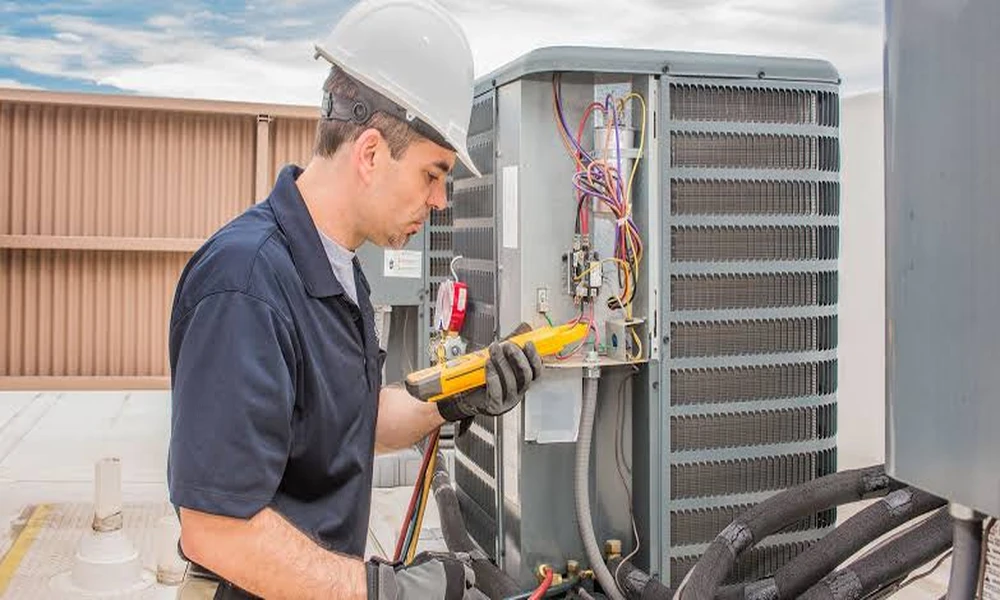
You call the local company versus the franchise. Same problem. Same equipment. Different answer to what needs fixing. It’s not accident. It’s ownership.
A franchise technician shows up with a script. Fix it with what’s approved, or escalate to the next tier. The system works because predictability is profitable. You get the same diagnosis in every location, the same recommended repairs, the same upsell path. Consistency scales. Franchises are built on that. When you call Covington Heat and Air, a locally owned operation, the technician showing up knows they’ll see you next winter.
They know your neighborhood. They know which houses have older systems and which ones don’t. They know you might become a regular customer or might tell five friends not to call. That changes the questions they ask.
The Difference Starts With Incentives
Local ownership means the technician’s reputation is the company’s reputation. No regional manager reviewing call quality. No corporate policy about minimum repair costs. Just a person who lives in the community making a decision about your air conditioning.
When a franchisee makes money by selling equipment, they’re incentivized to recommend replacement. Nothing illegal about that. It’s the business model. When a local owner makes money by keeping customers coming back, they’re incentivized to fix what’s broken and explain honestly whether a replacement makes sense. Same problem. Different incentive structure.
Sometimes replacement is the right call. Old system failing repeatedly. Repair cost approaching replacement cost. System outside warranty. In those cases, every technician recommends replacing. Local or franchise. Where they diverge is whether a repair that buys you another three or four years is presented as an option.
A franchise technician from Covington Heat and Air might see a repair that extends your system’s life for three years. That means you’re back in three years needing something else. Better for the company if you replace now. A local technician sees the same repair and thinks about whether you’re the kind of customer who will remember being treated honestly and come back for your next problem.
How Local Companies Stay in Business
A franchise survives by replicating success. A local company survives by not destroying its own reputation. Those are different survival strategies.
Local owners can’t afford to ignore one-star reviews. They can’t afford to anger customers and depend on the next neighborhood doing better. They can’t afford to make a recommendation they’re embarrassed to defend at the grocery store. The social cost of poor decisions is immediate and personal.
This doesn’t make local technicians saints. They’re still running a business. But the business model rewards different behavior. Fix it right, explain what you’re doing, come back next year and check on it. That customer tells their neighbor. Neighbor calls. Year after year, reputation compounds.
Franchises play a different game. Consistent experience across locations. Uniform pricing. National marketing. Efficiency at scale. Those are real advantages. They just produce different incentives. A franchise works well when you want predictability. A local company works well when you want someone who has to live with their decisions.
What This Means for Your Decision
You’re not choosing between good and bad. You’re choosing between different business models with different incentive structures. Franchises train standardized responses. Local companies depend on individual judgment.
Some people prefer consistency. Knowing what you’re getting. Predictable pricing. Same service whether you’re in this market or five states over. That’s valuable. That’s part of why franchises exist.
Other people prefer to work with someone whose reputation depends on treating your situation as unique instead of plugging it into a system. Someone who has to sleep in this community. Someone whose kid goes to school with your kid’s friend.
The technician question isn’t which company is better. It’s which business model aligns with how you want to be treated when something breaks. Consistency or judgment. System or relationship. Both work. They just work differently.